
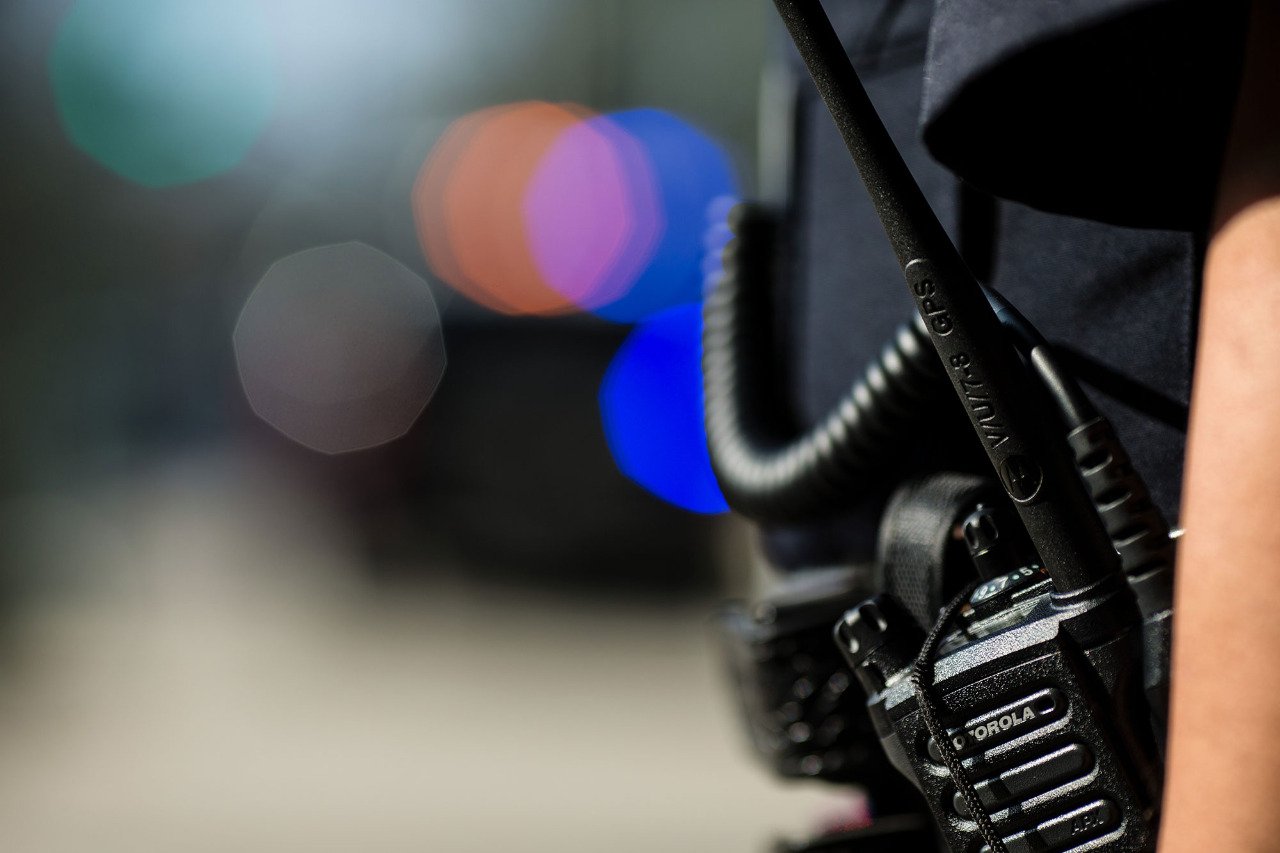
UHF or VHF: which band to choose for radiocommunication?
UHF or VHF for the company? In general, UHF enters the evaluation early for buildings and operations with obstacles; VHF deserves attention in open areas. This is a project hypothesis, not a verdict. The authorized band, the existing fleet, and a trial at critical points matter more than the phrase “UHF penetrates walls” or “VHF goes farther”.

What UHF and VHF actually describe
UHF and VHF are radio frequency bands. Analog and digital describe the transmission; repeater describes the infrastructure; PoC/LTE uses a data network. A radio can be UHF and digital, for example. Mixing these choices leads to meaningless comparisons.
Simply put: VHF frequencies have longer waves and can favor outdoor communication on relatively open paths; UHF has shorter waves and is usually chosen for evaluation between buildings, floors, and structures. UHF is not “more powerful” because it is UHF. The device’s power, antenna, position, authorized band, and obstacles are different variables. Concrete and metal can still create dead spots in any band.
Anatel defines the allocation and conditions of use of bands in the frequency plan. Before selecting a model variant, confirm the band available for your network or for the rental solution. Do not reprogram the radio to a frequency just because another device “managed to talk” on it.
When is it worth testing UHF and when is it worth testing VHF?
| Environment | Initial hypothesis | What the test needs to verify |
|---|---|---|
| Building, hospital, condominium, mall | Consider UHF first, if compatible with the authorization and the fleet. | Floors, basements, stairs, technical areas, concrete, and elevators. |
| Warehouse or industry | UHF is usually evaluated, but layout and metal can produce complex shadows. | Shelf aisles, docks, running machines, vehicles, and closed doors. |
| Rural area or open outdoor route | VHF may be a candidate when the existing network and authorization allow. | Terrain, vegetation, route extremes, and height changes. |
| Mixed operation, buildings + outdoor area | Do not decide by a single rule. | Complete communication map; evaluate repeater, antennas, or distinct networks. |
These are hypotheses for the survey, not results from ABC Mais Telecom at a specific address. The guide for a Motorola radio provides examples of UHF and VHF performance in buildings, but the numbers from that model and condition should not be transferred to another building or radio.
Where the equipment can and should operate.
How voice and data are transmitted.
How to reach the operation points.
Can I mix radios from different bands or brands?
A UHF radio does not communicate directly with a VHF only by choosing the same channel number. Band, frequencies, mode, protocol, and programming must match. Interconnection systems can connect different networks, but that is an additional project. Even on the same band and the same digital standard, special features and accessories are not automatically interoperable.
If the company already uses radios, provide brand, model, variant, and available programming before purchase. In the ABC catalog, Motorola R2 and Hytera HP506 are starting points for comparing professional radios; confirm the variant offered. If the difficulty is reaching another area, read projects with repeaters and radio rental.
The minimum test before choosing the band
- Mark the mandatory points and the locations where the current network fails.
- Use equivalent equipment and antennas, with regularized operation, and note the configuration of each test.
- Make calls in both directions, with the operator moving along the actual route.
- Record intelligibility, need for repetition, and environmental conditions.
- If there are failures, evaluate infrastructure and antenna position before attributing everything to the band.
Compare the result with the operational requirement. “It worked at the front desk” does not say whether it will work at the dock or on the top floor. Our technology guide shows how the band relates to digital radio, LTE, and body camera.
Frequently asked questions
Does UHF penetrate any wall?
No. Material, thickness, metal structure, antenna, and position can prevent communication. UHF is a frequent hypothesis for indoor environments, not a guarantee.
Does VHF always reach farther?
No. It may be advantageous in certain open areas, but the complete system and obstacles determine the result. Test the actual route.
Is digital the same as UHF?
No. Digital is the mode; UHF is the band. There are digital radios in different bands, depending on model and variant.
Who defines the frequency in the rental?
The team composes the solution according to the operation and the licensed frequencies included in the rental. The customer informs the need and location; they do not need to choose a channel on their own.
Sources and limits of the comparison
Need to choose the band for an operation?
Tell us where your team works and whether a fleet already exists. ABC can guide the comparison based on the network and coverage points.
Talk to ABC Mais Telecom
Tell us briefly about your operation. Our team can help you assess equipment, rental or support in Brazil.