
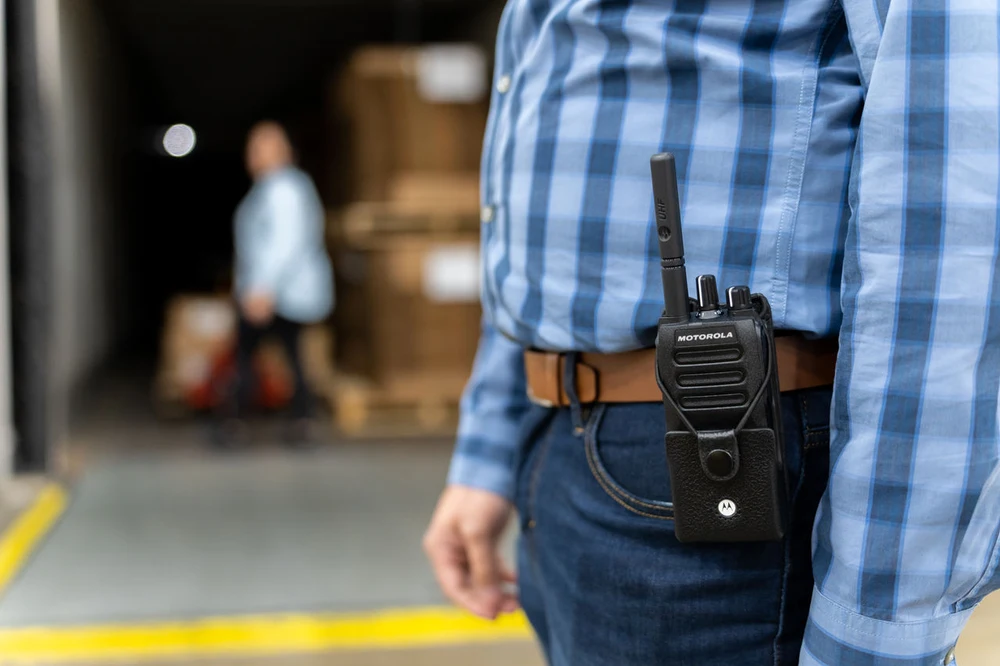
Professional radiocommunication
Professional two-way radios to keep your team connected.
Professional two-way radios, repeaters and communication systems: sales, rental and technical support for the people who keep your operation running.
Location, team and routine guide the choice. Our team helps you compare solutions.
Brands and professional partnerships
Genuine equipment, support and guidance for every application. Authorized resellerPartnerEmpower Silver 2026
 Authorized resellerHytera Wings recognition
 Authorized resellerProfessional solutions on request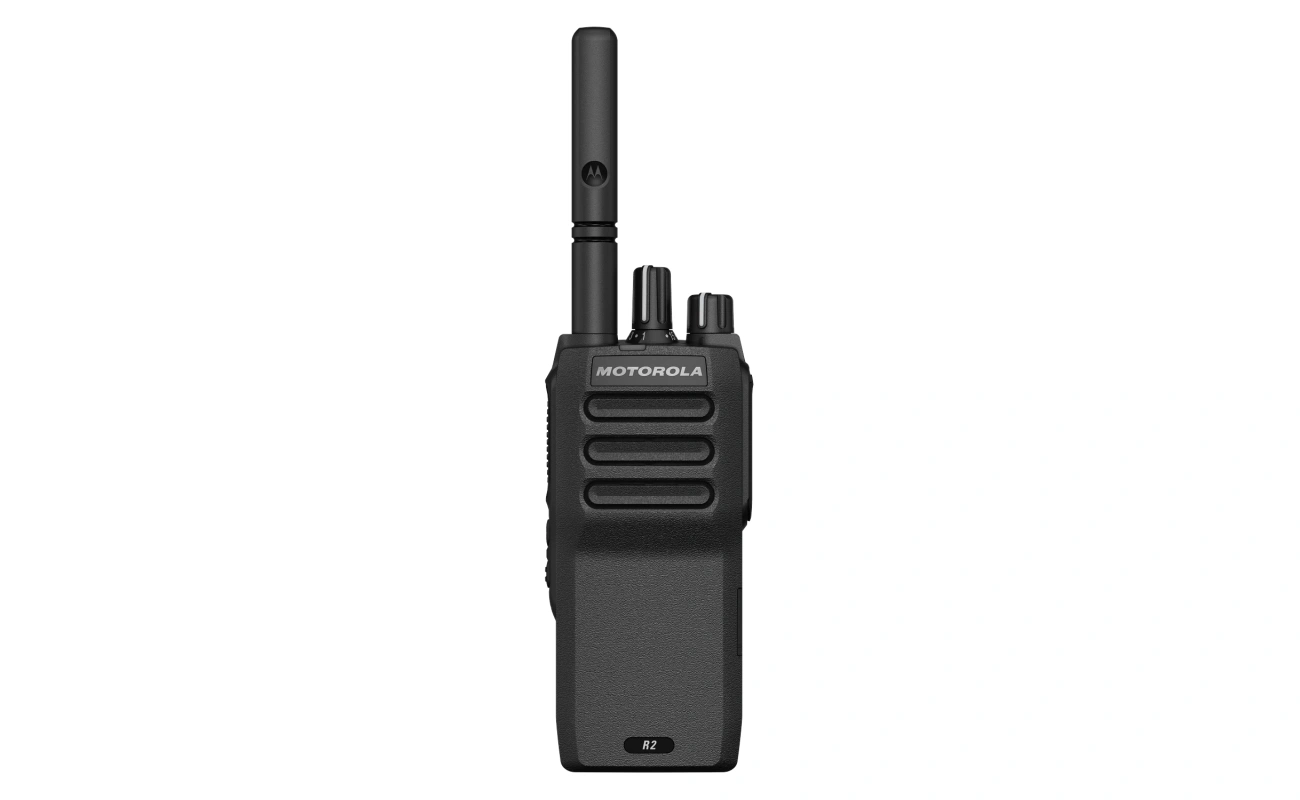
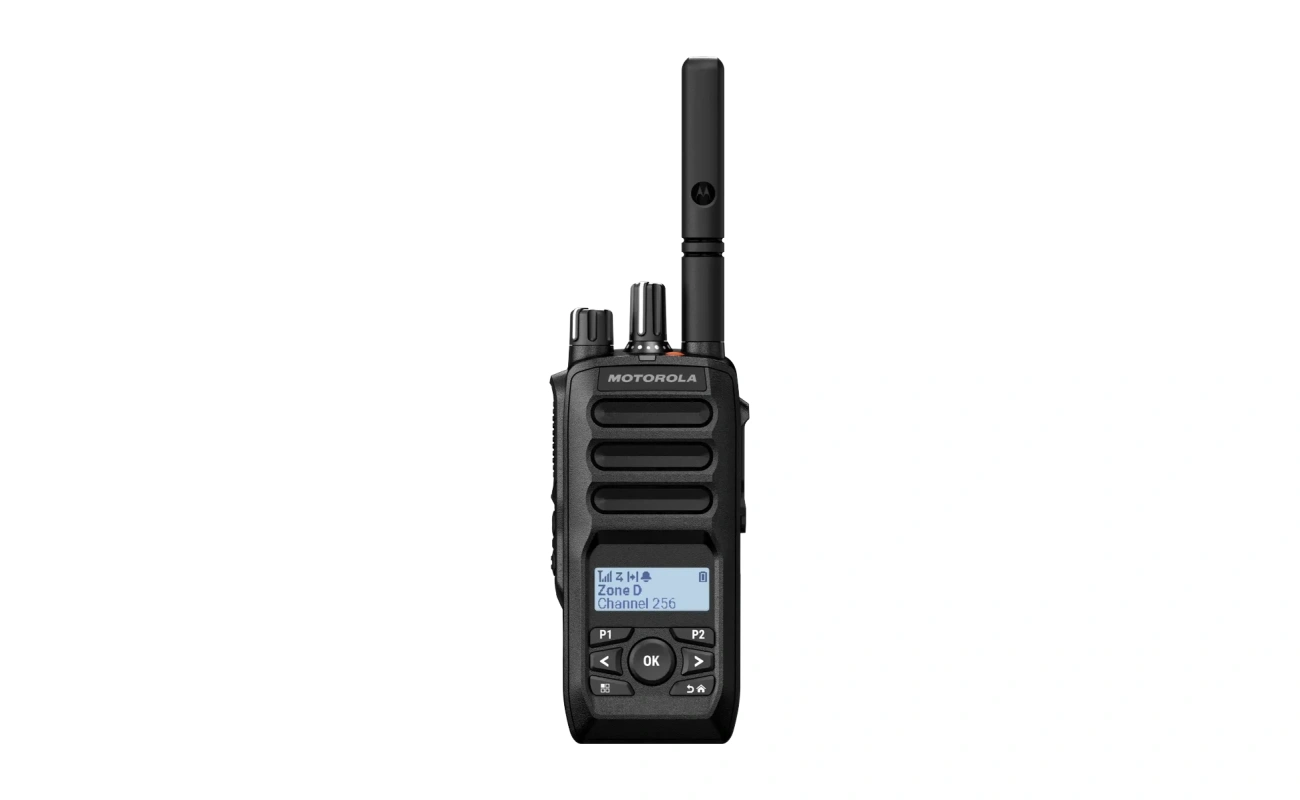
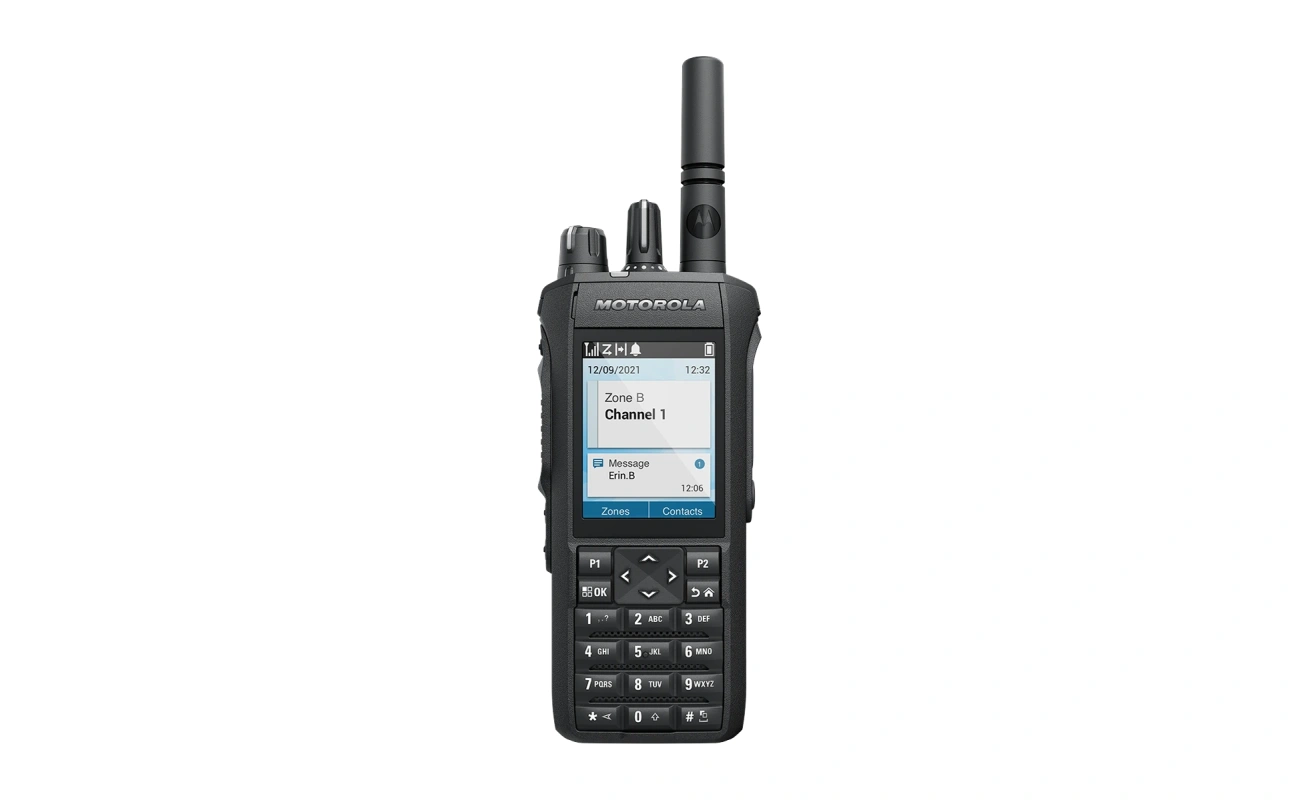
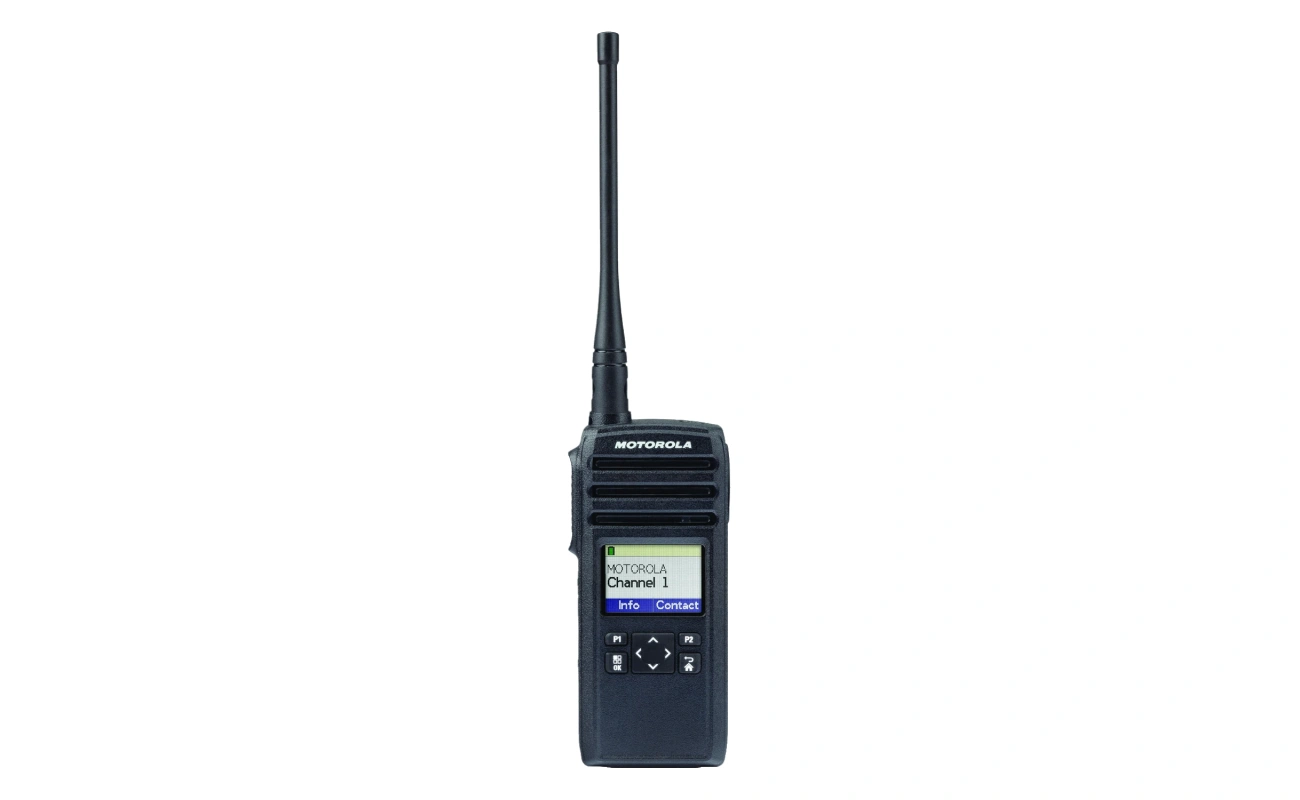
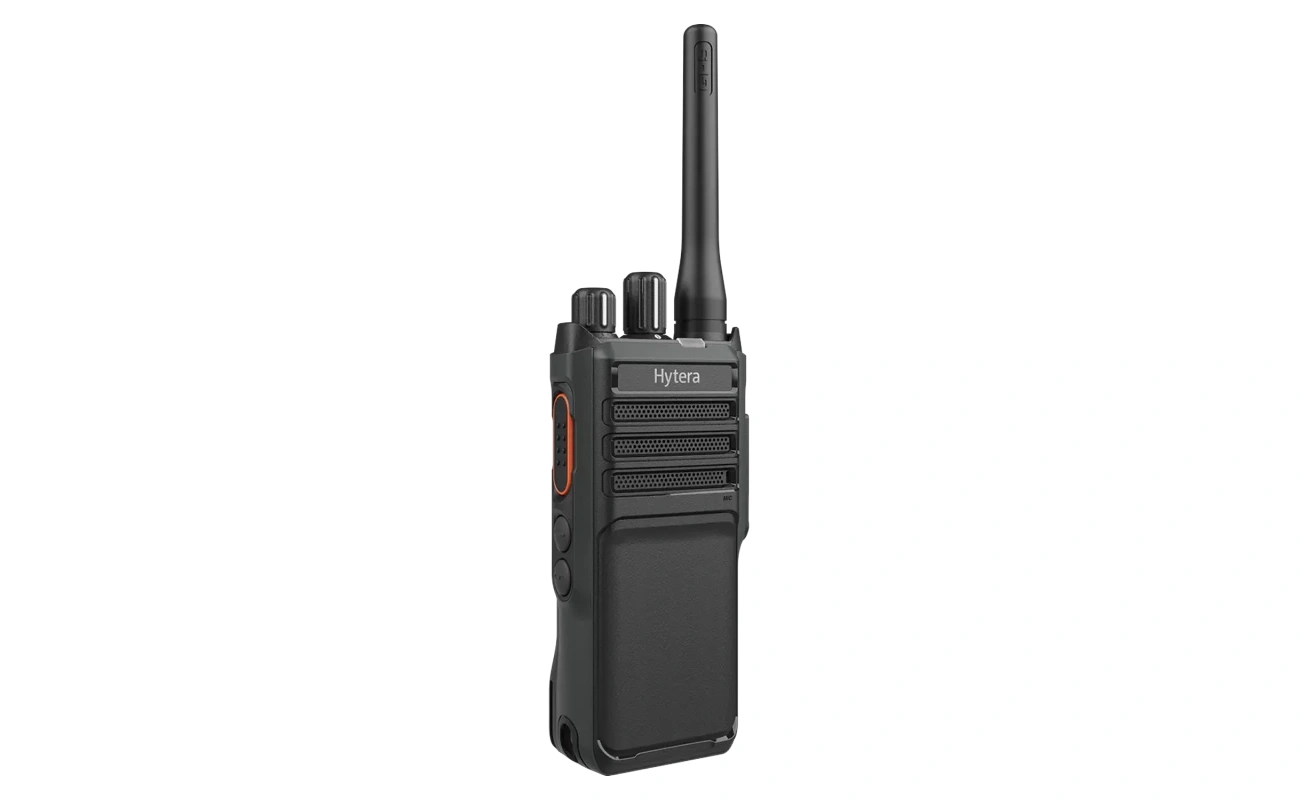
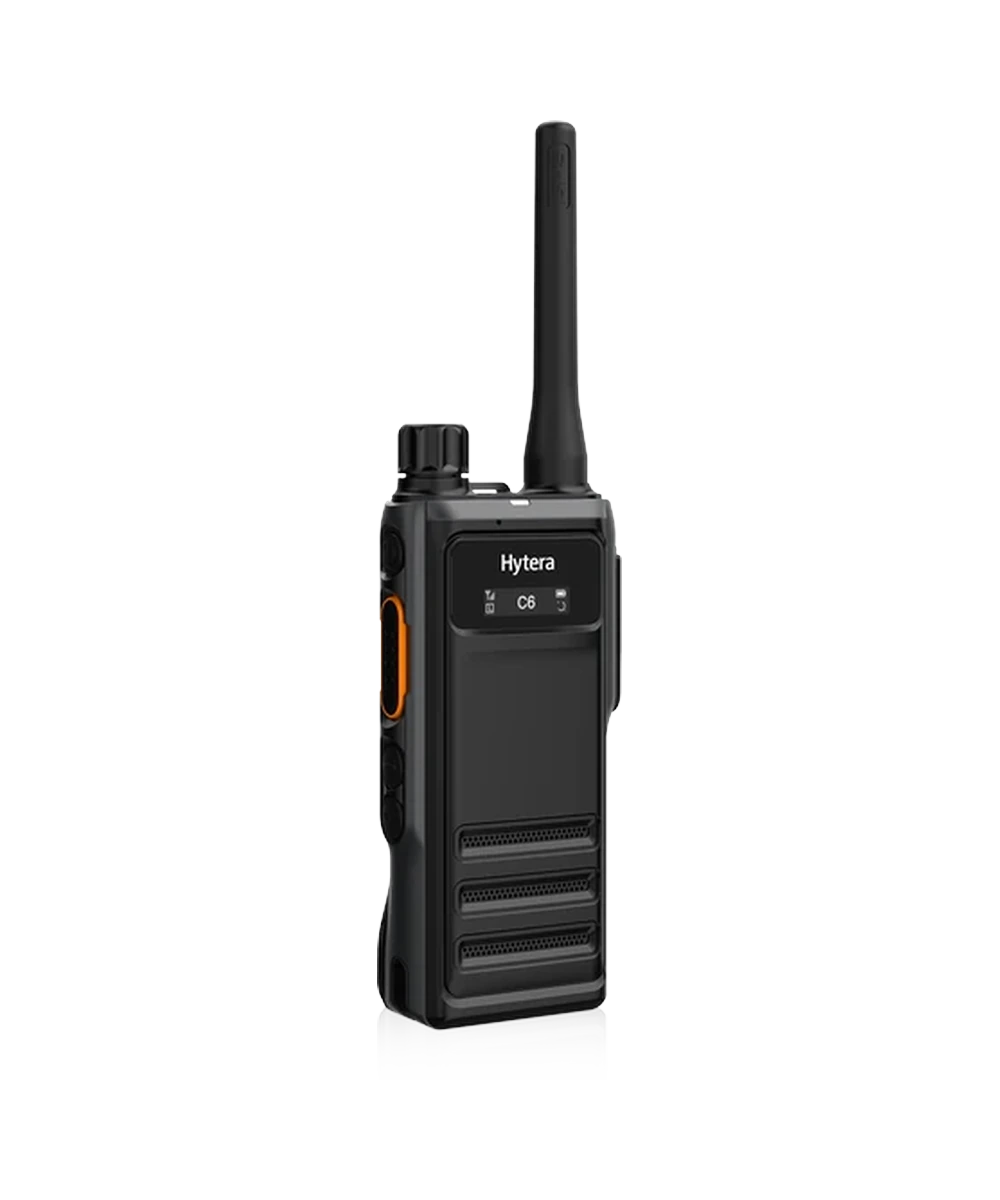
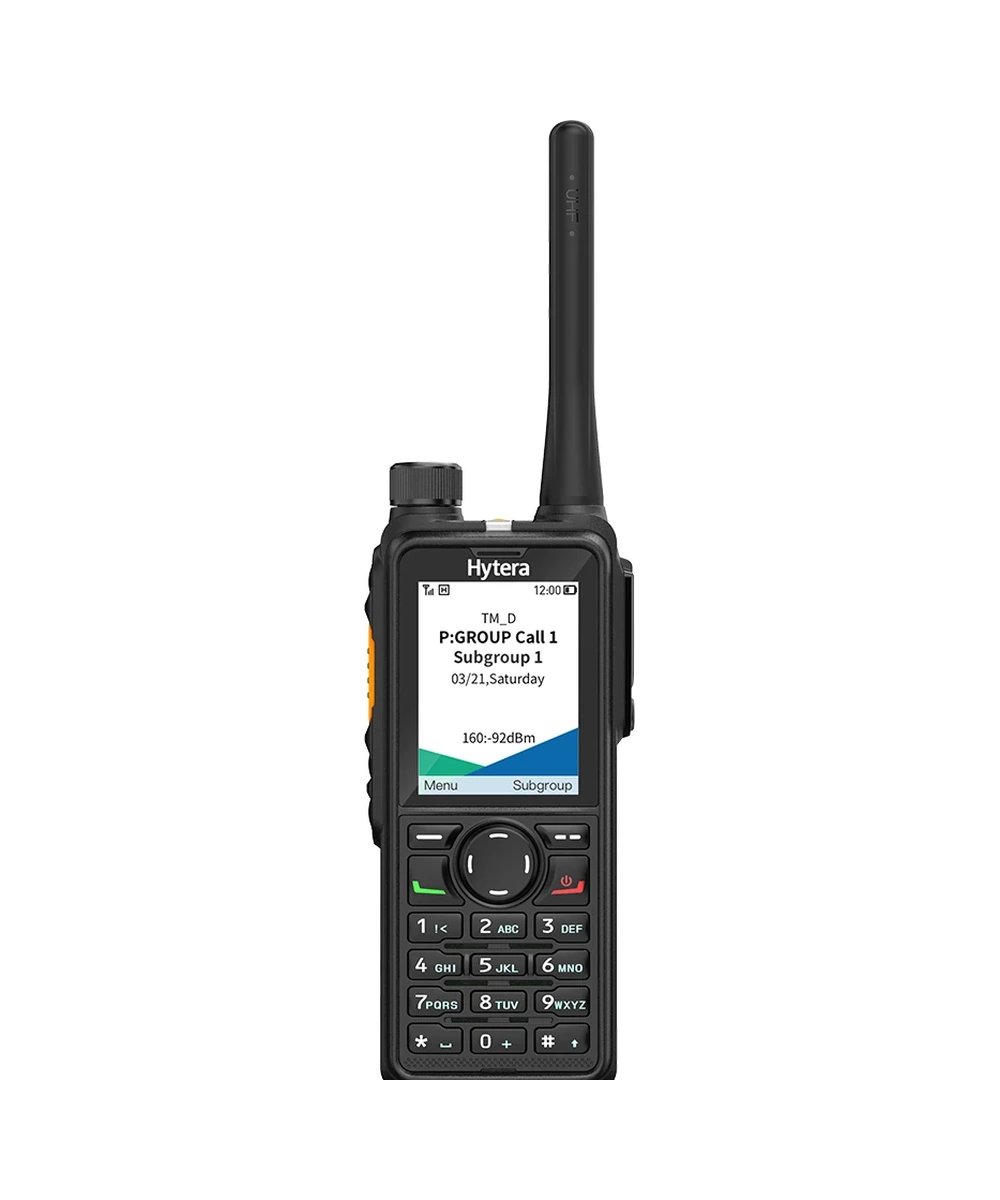

Motorola Solutions and Hytera equipment
Explore the product lines that keep operations moving.
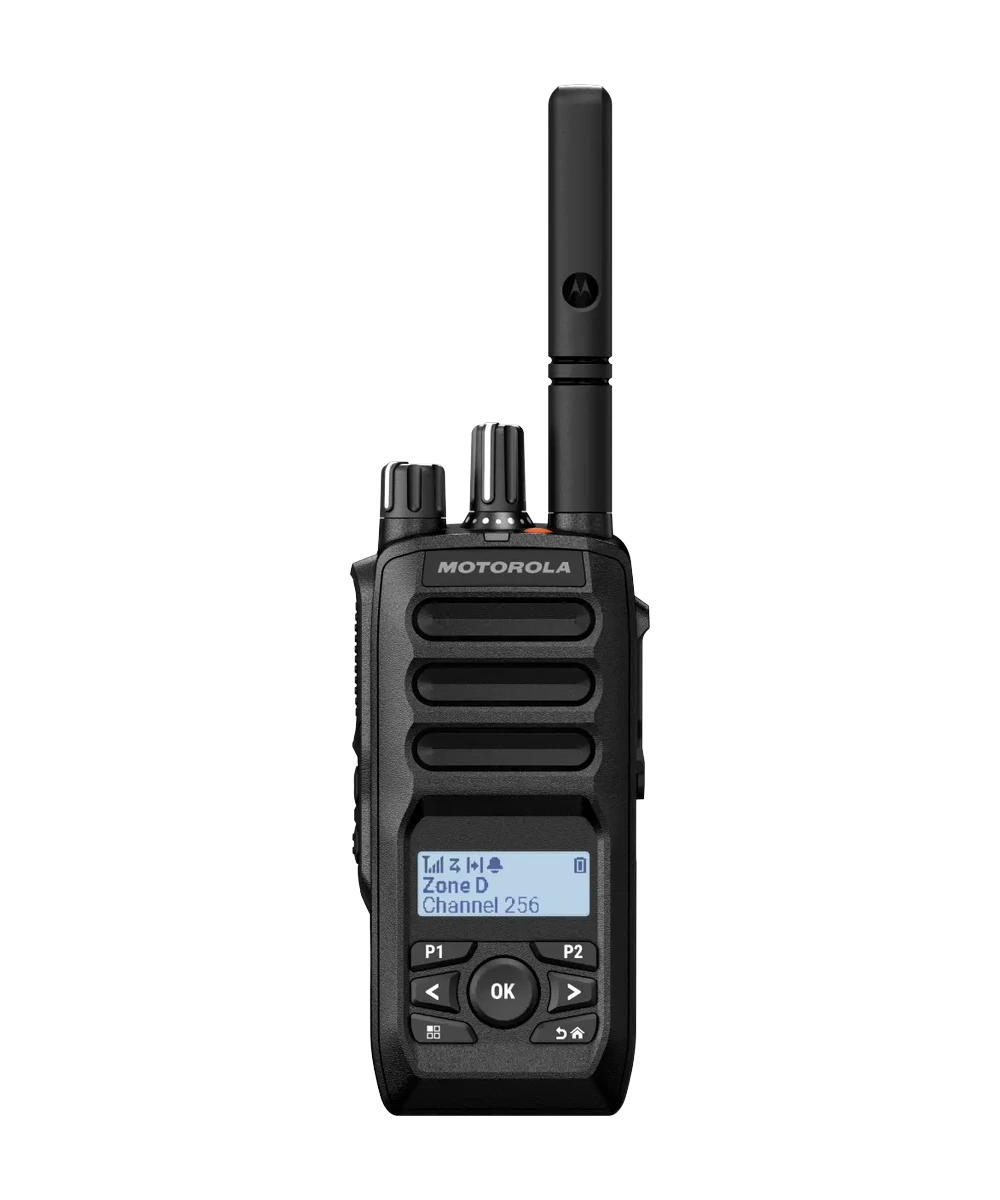
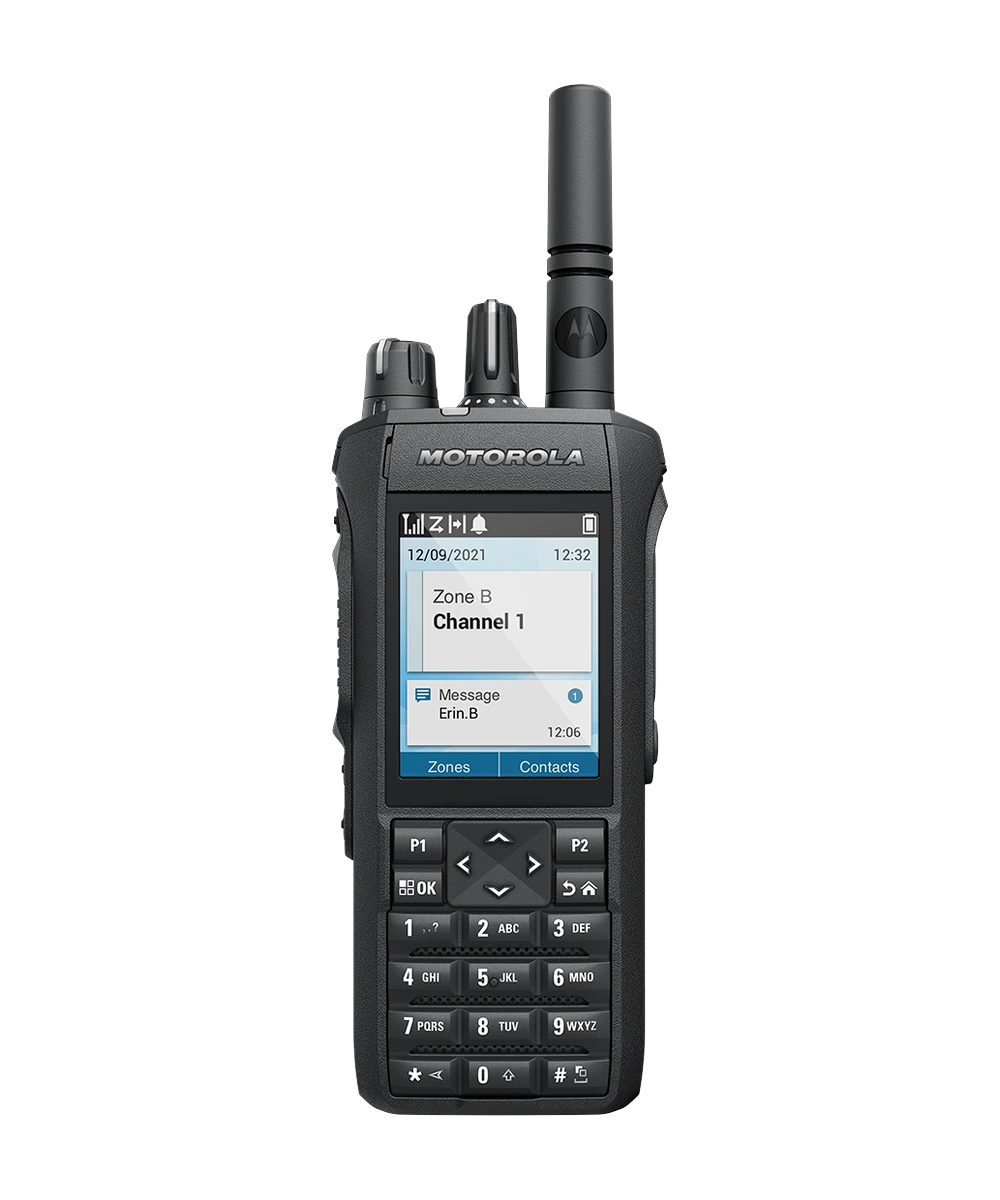
Compare formats and applications of professional two-way radio. The choice depends on the area of use, team, channels and resources needed in the job.
View all equipment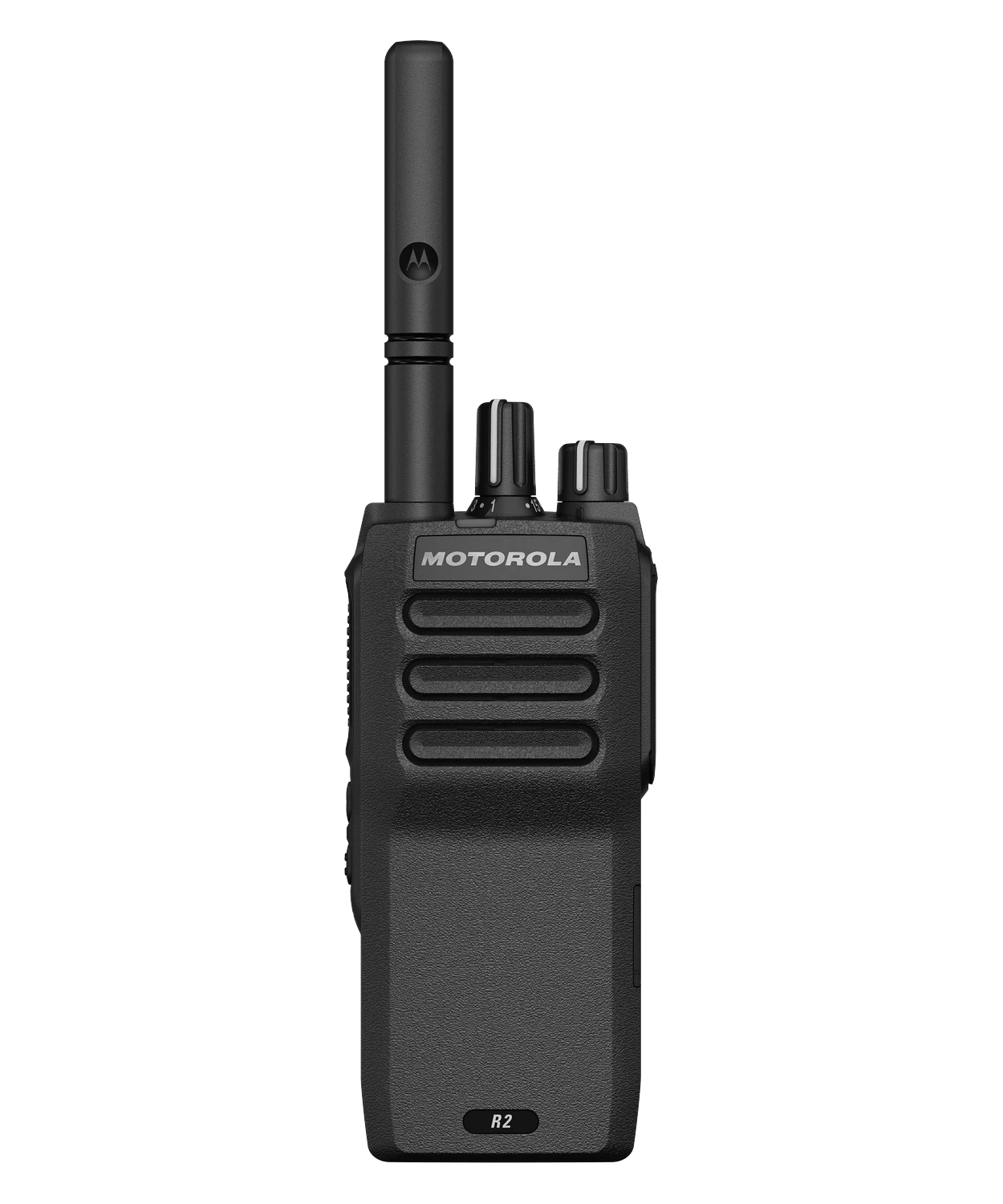
Applications by segment
Communication changes with your scenario.
See how professional two-way radio, rental, coverage projects and systems can enter the routine of each operation.
01 / Events and production
Coordinate the stage, entry points, security and backstage teams without relying on phone calls.
Professional two-way radio rental helps organize temporary teams and simultaneous functions. Quantity, programming, headsets, additional batteries and operational support can be defined in the proposal according to duration, location and number of users.
02 / Industry
Connect production, maintenance and security with dedicated communication for routine.
Professional radios can reduce the need to travel across the site and speed up calls between shifts and departments. Warehouses, machinery, noise and obstacles must be assessed; repeaters, antennas or integrated systems are recommended only after studying the required coverage.
03 / Condominiums
Connect gatehouse staff, patrols, maintenance and management in one operation.
Professional two-way radio allows activating the team by PTT without searching for contacts or waiting for a call to complete. Towers, elevators, garages and basements alter propagation; therefore the project must consider actual routes before choosing equipment and infrastructure.
04 / Logistics
Keep yard, dock, receiving and shipping teams talking at the pace of the operation.
In distribution centers, professional two-way radio speeds up team calls and incidents without removing the operator from the task. Coverage in internal and external areas, battery autonomy and accessories for hands-free use must be analyzed according to each station.
05 / Security
Activate response groups quickly and keep each function on the right channel.
The dedicated professional two-way radio favors group calls and discreet accessory use. When the operation also requires evidence recording, body-worn cameras and file management can compose a separate project, according to equipment, licenses and usage policy.
06 / Hospitality
Connect guest service, housekeeping, maintenance and security without disrupting the guest experience.
A compact professional two-way radio with appropriate accessory can speed up room calls, support and maintenance. The choice should consider discretion, autonomy, number of teams and coverage between social areas, corridors, elevators and technical dependencies.
07 / Hospitals
Accelerate communication for support, engineering, maintenance and property security.
Professional radios can coordinate operational teams in corridors, floors and technical areas. Interference, indoor coverage, equipment hygiene and institutional rules must be assessed; the solution does not replace clinical systems or care protocols.
08 / Mining
Plan communication for large areas, uneven terrain and moving teams.
In mining, the professional two-way radio requires analysis of topography, shadow points, infrastructure and environmental conditions. Radios, repeaters and integrations must be sized for the site; equipment for classified areas can only be recommended when the model certification meets the identified risk.
The photographs with equipment use official materials from the manufacturers. Reach, accessories, licenses and configuration depend on the evaluation and proposal of each operation.
Choose, put into operation and keep running.
Equipment for your work.
Two-way radios, accessories and systems from Motorola and Hytera for every routine.
Explore the catalog ↗Two-way radios for as long as you need.
From a one-day event to continuous operation, with planning and support.
Plan your rental ↗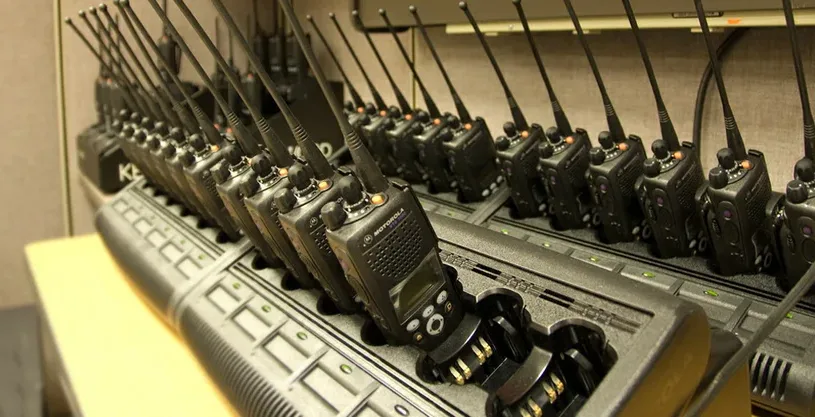
Diagnosis before repair.
Diagnosis, repair and programming for your equipment.
Explore technical assistance ↗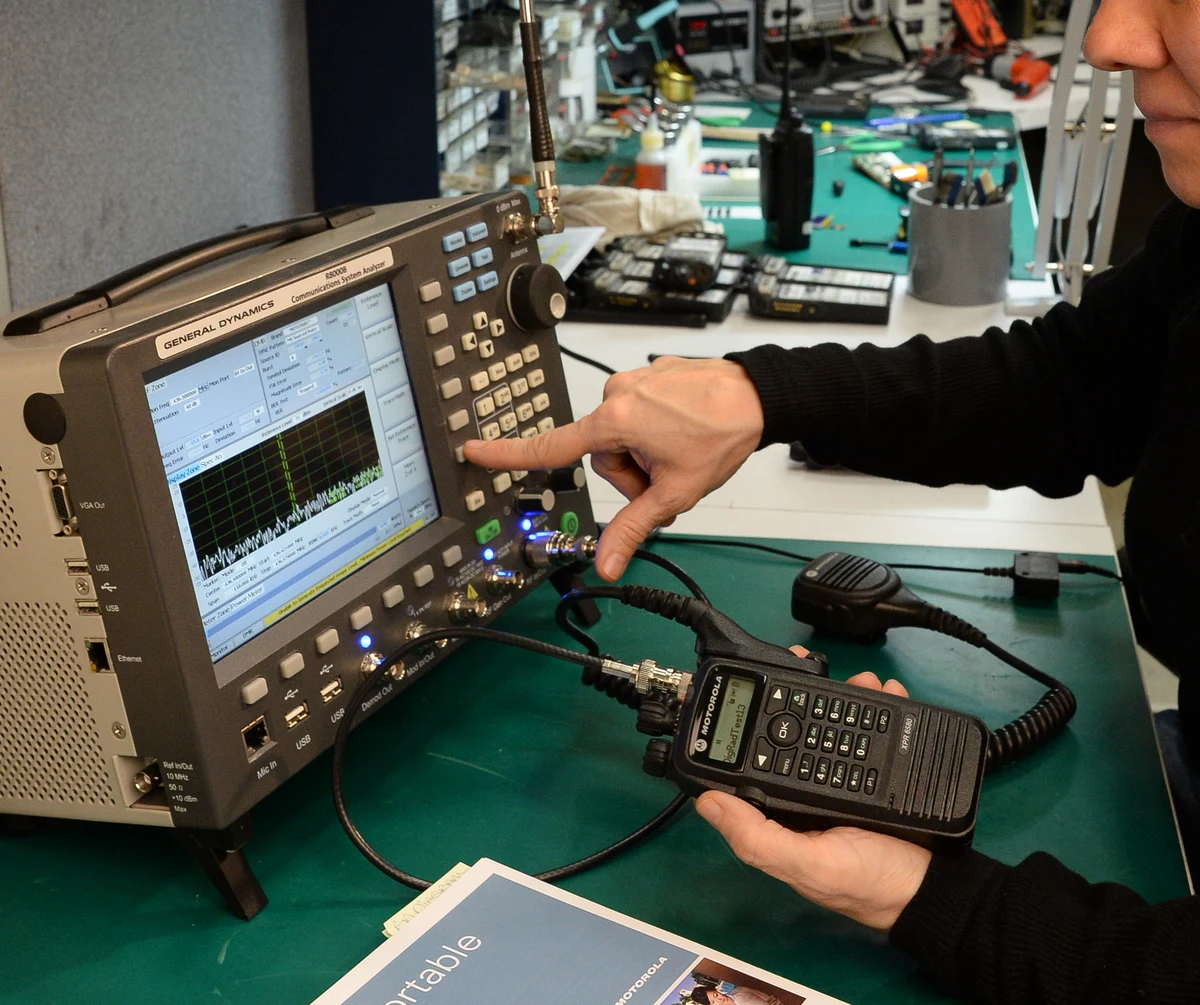
Find the professional two-way radio for your operation
Explore the professional two-way radio from Motorola Solutions and Hytera lines. See model details and compatible accessories on each product's page.

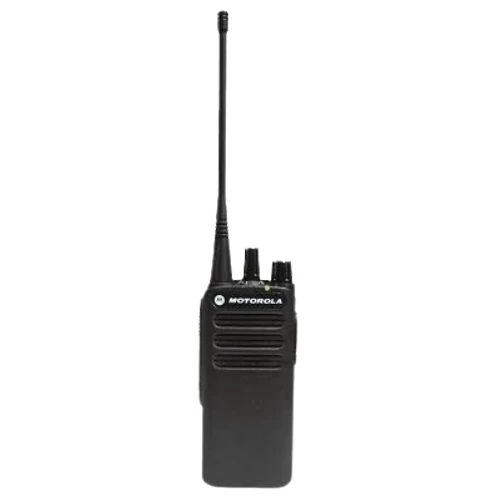
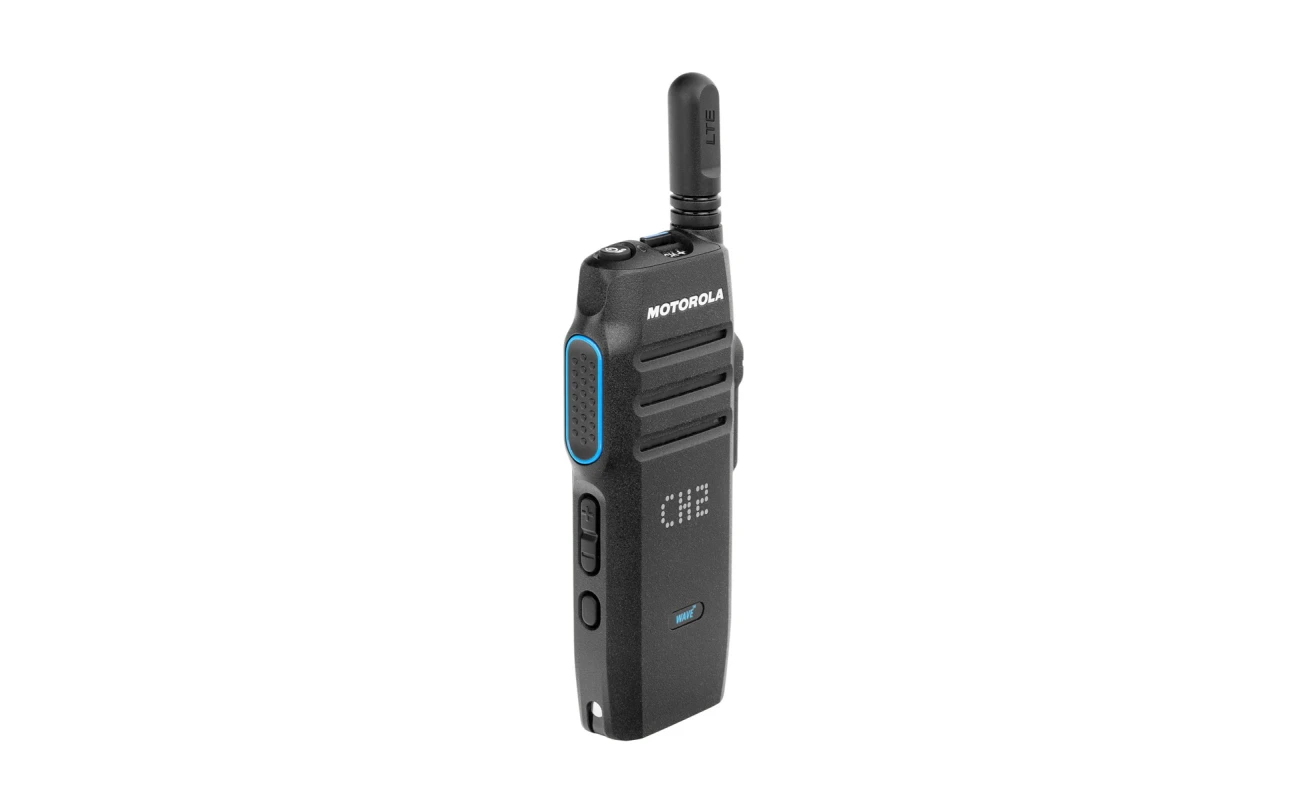
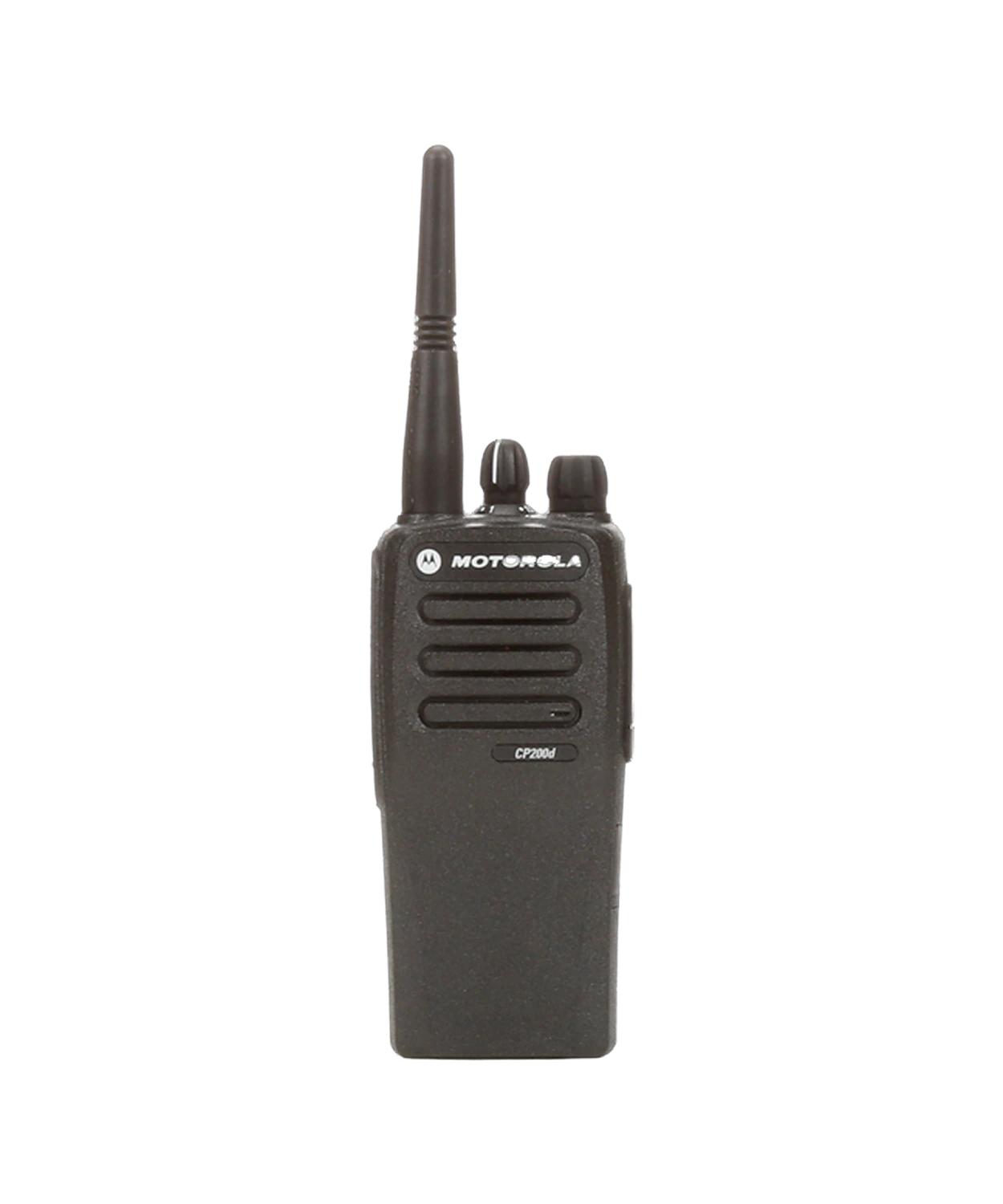
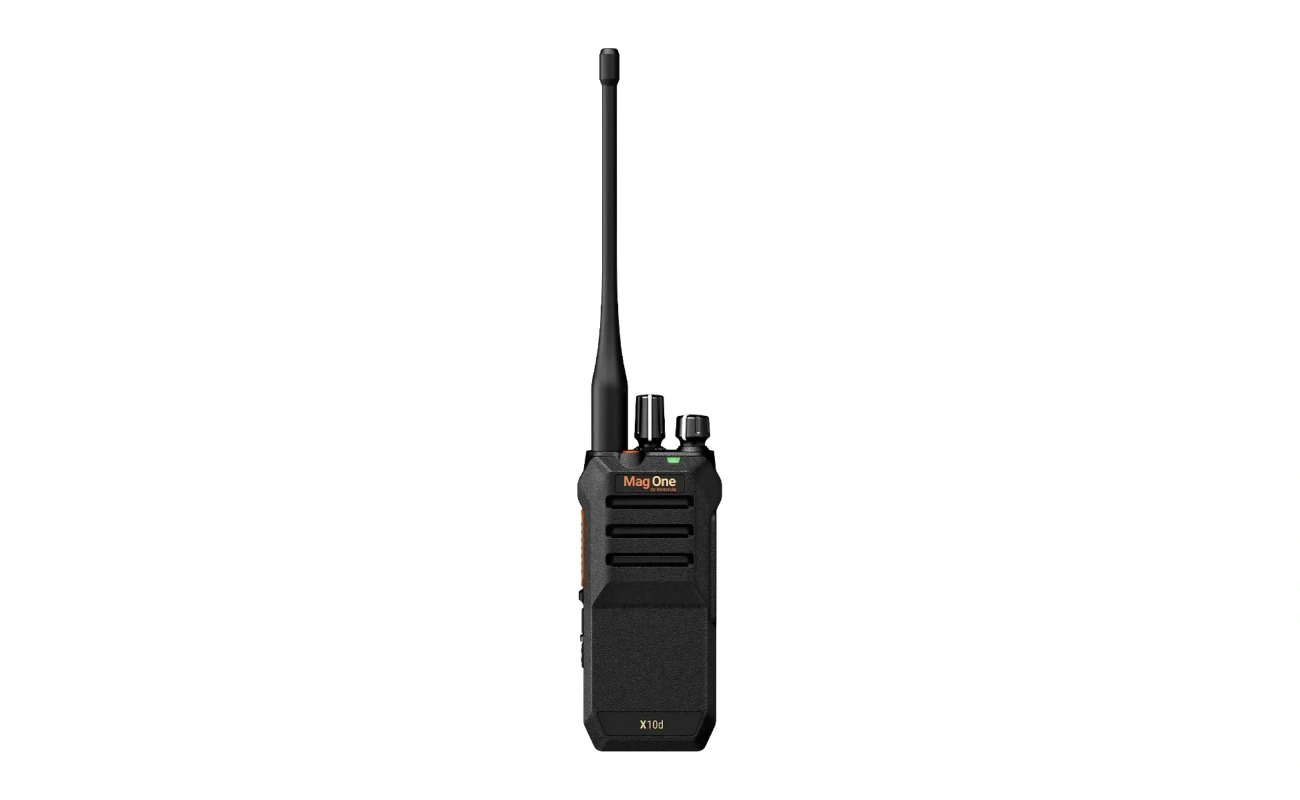
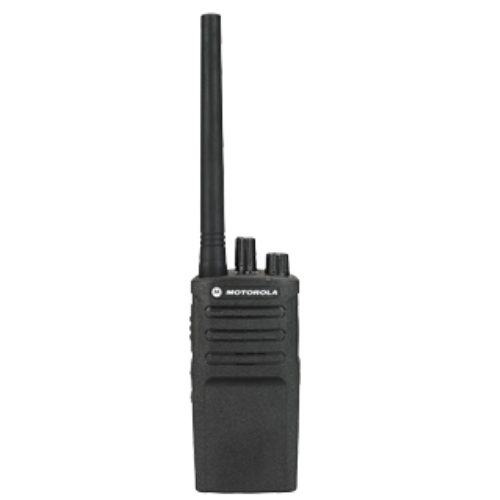
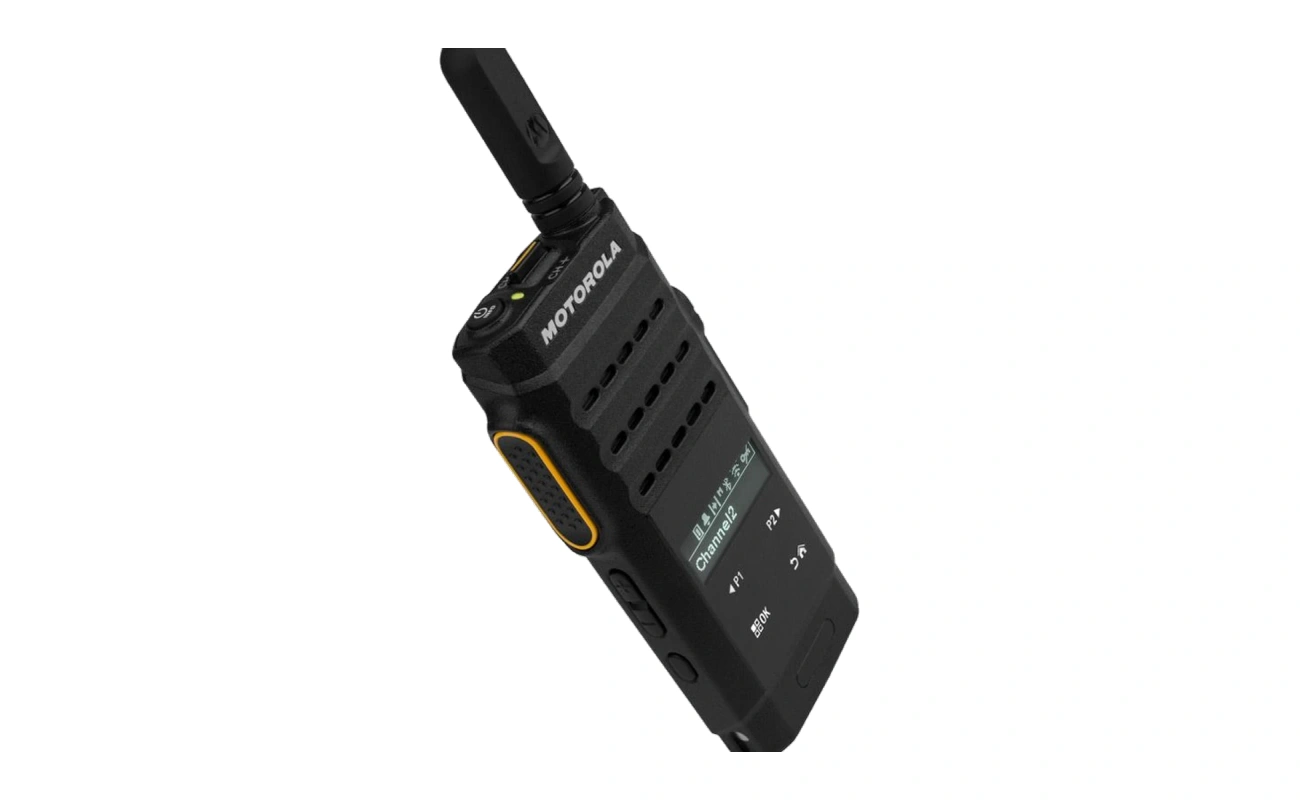

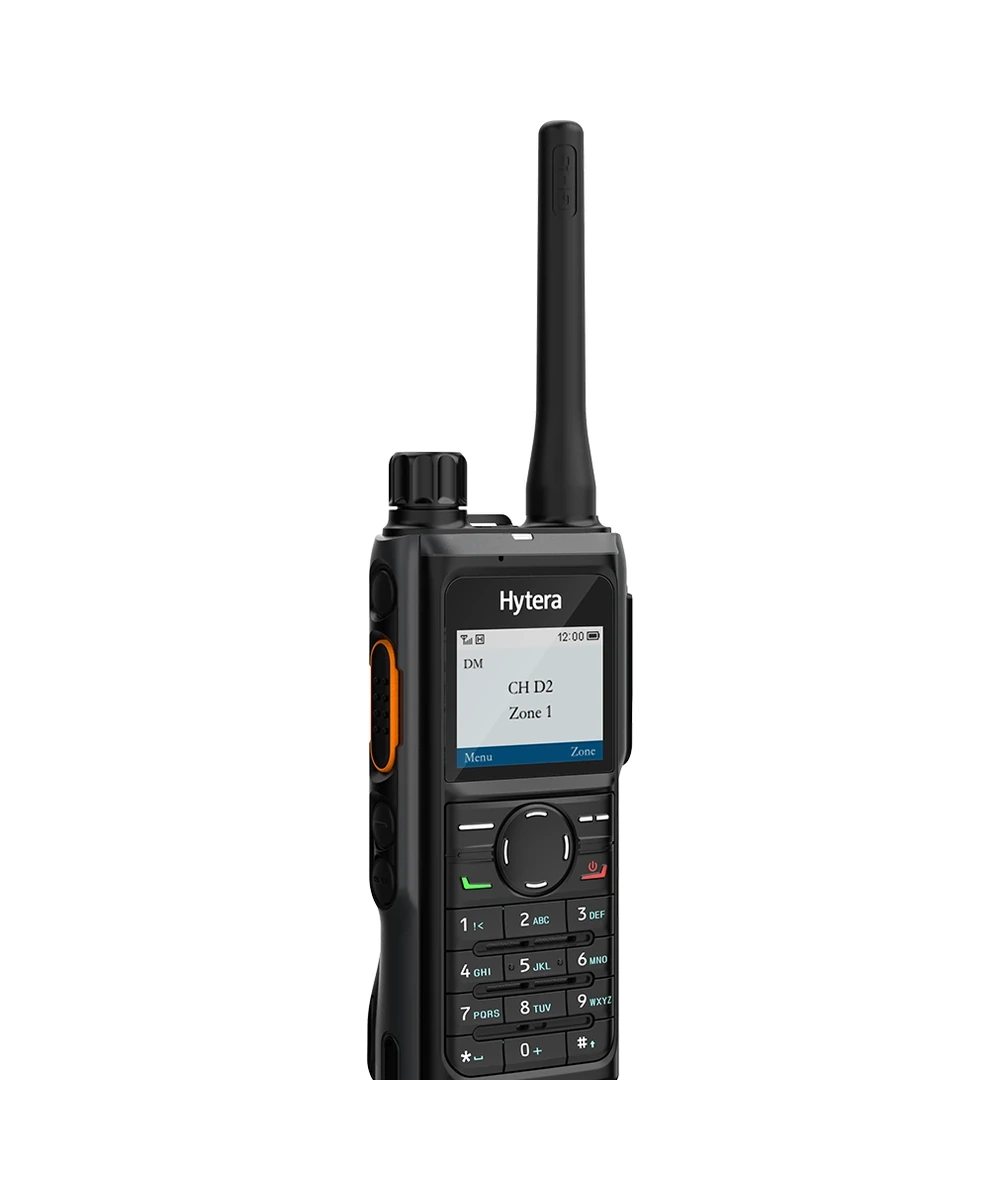
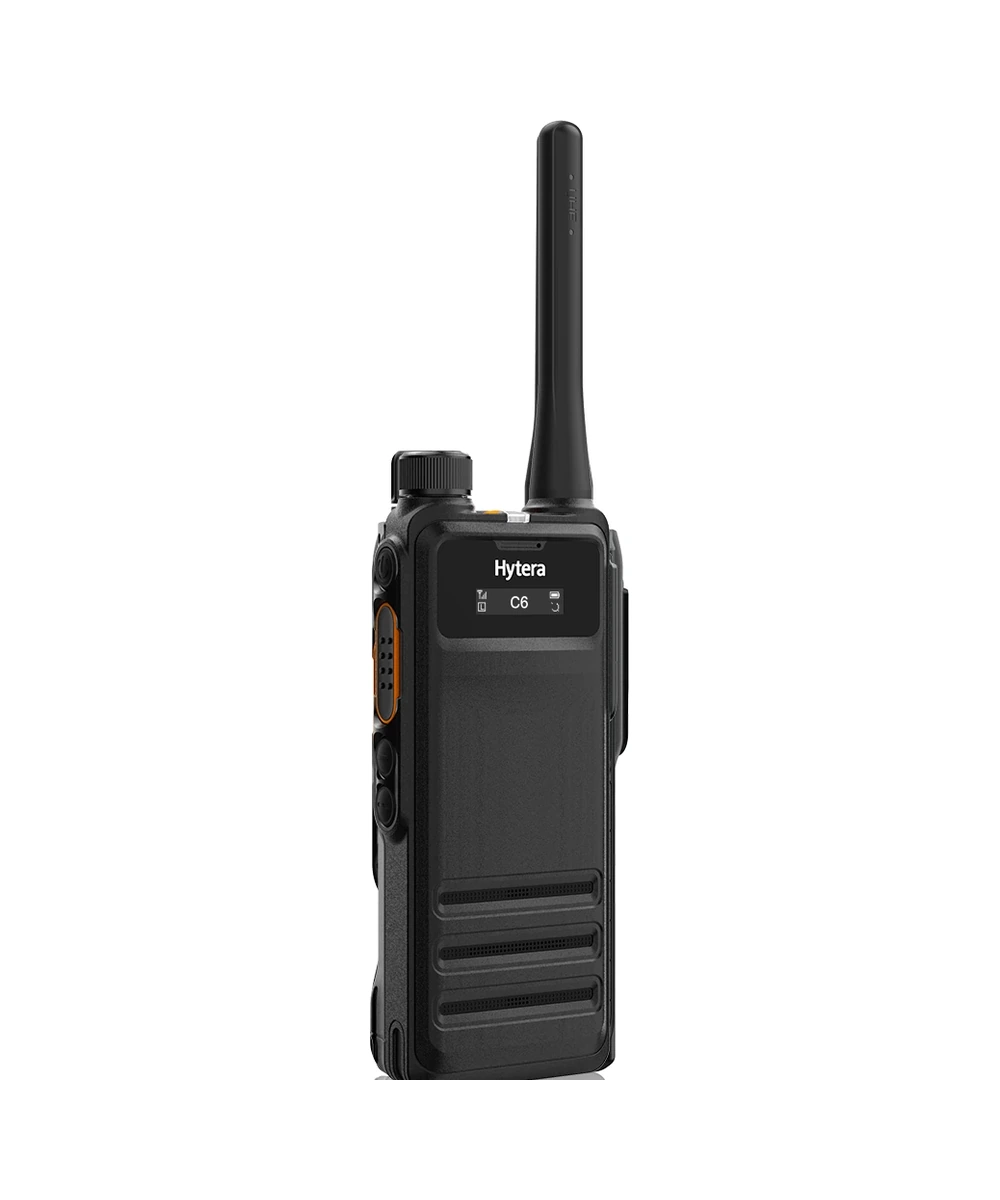
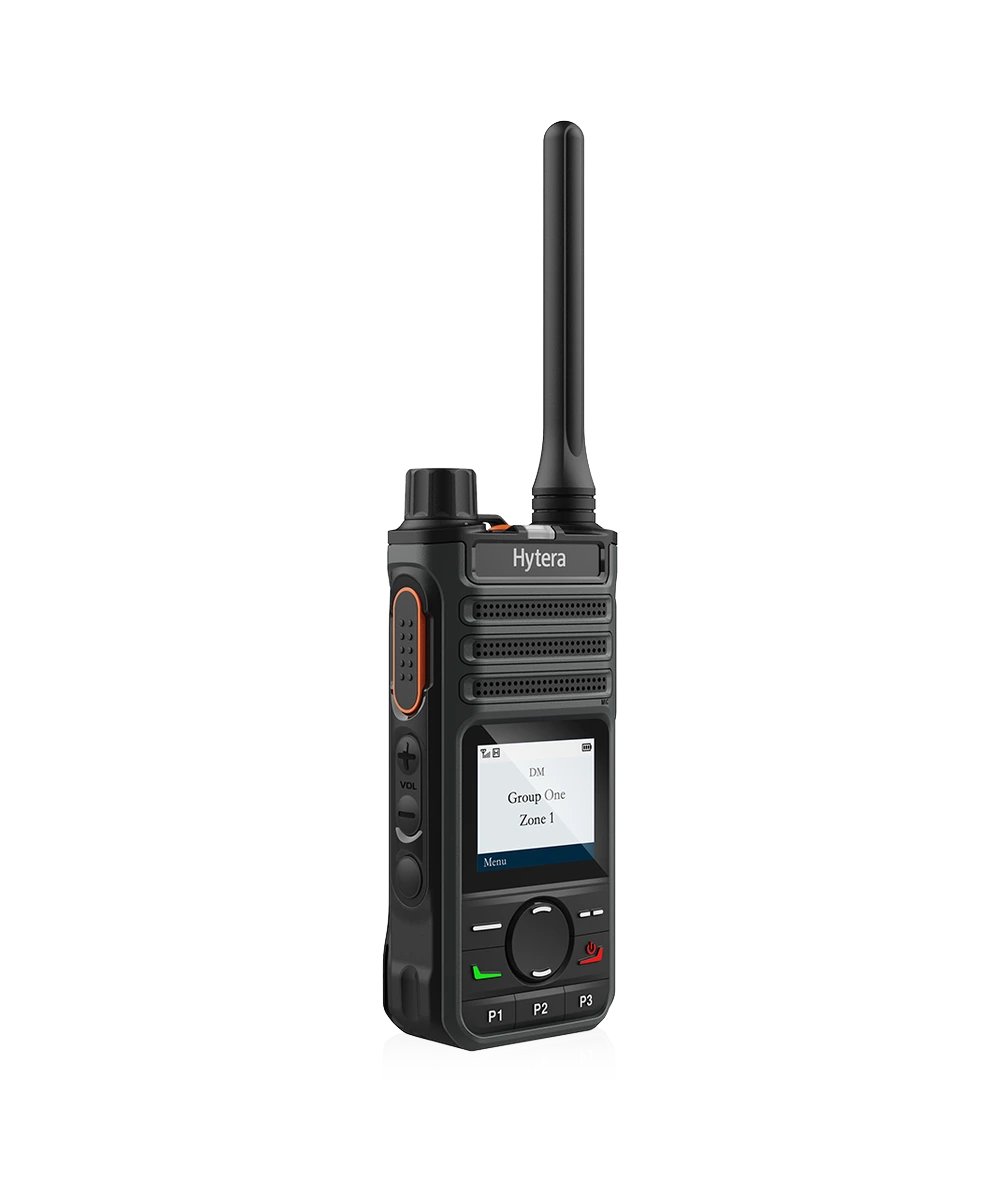

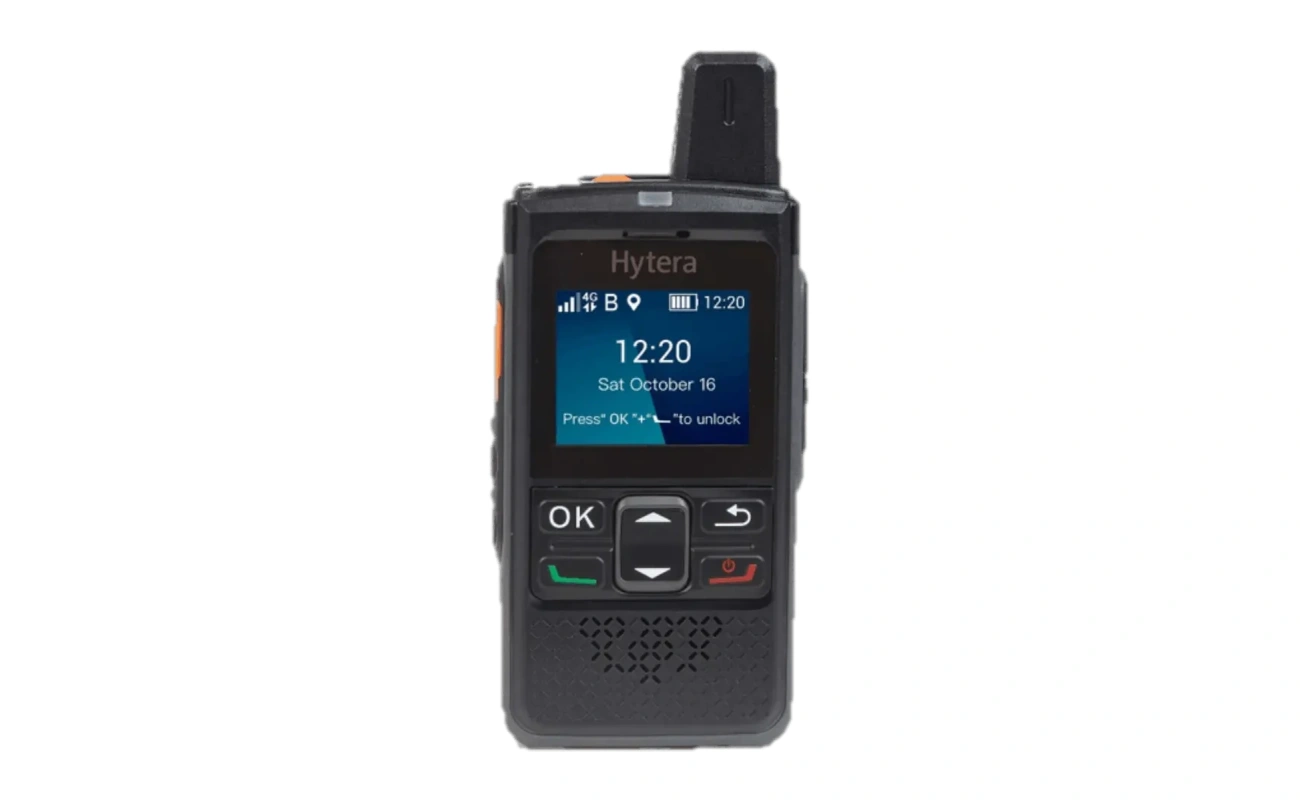
The rails pause while the pointer is over them. Drag to compare models at your own pace.
The size of the team changes.
Our commitment to communication does not.
Two-way radios, accessories and infrastructure chosen based on place, people and routine. Sale or rental, from local service to coverage of larger areas.
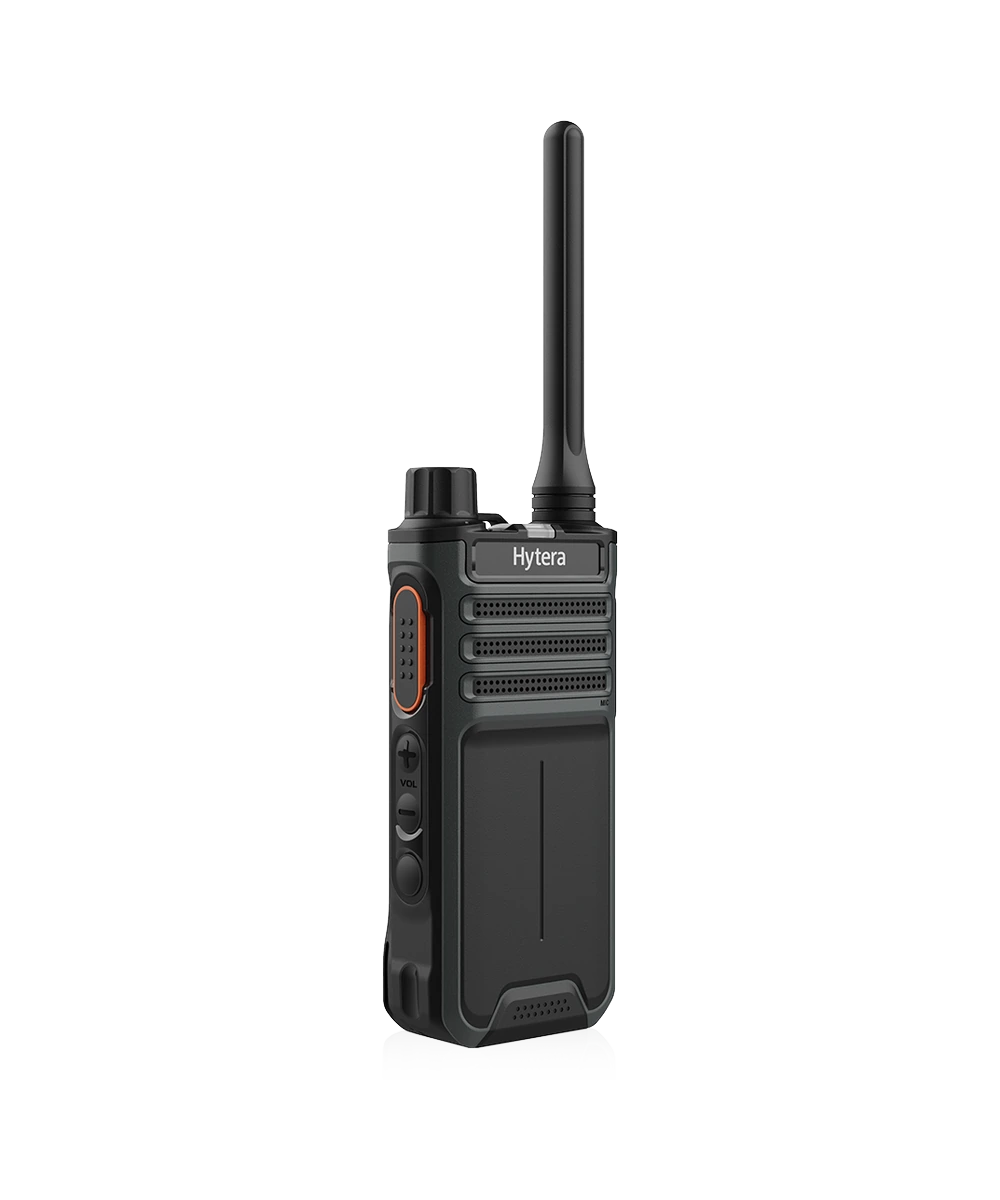
2 to 10 two-way radios
Gatehouse, shop or support team: suitable channels and accessories for people working close together.
Plan local team ↗02 / Multiple departmentsEach function in its channel.10 to 50 two-way radios
Production, security and support connected. Cases, headsets and additional batteries can be part of the proposal.
Quote for multiple departments ↗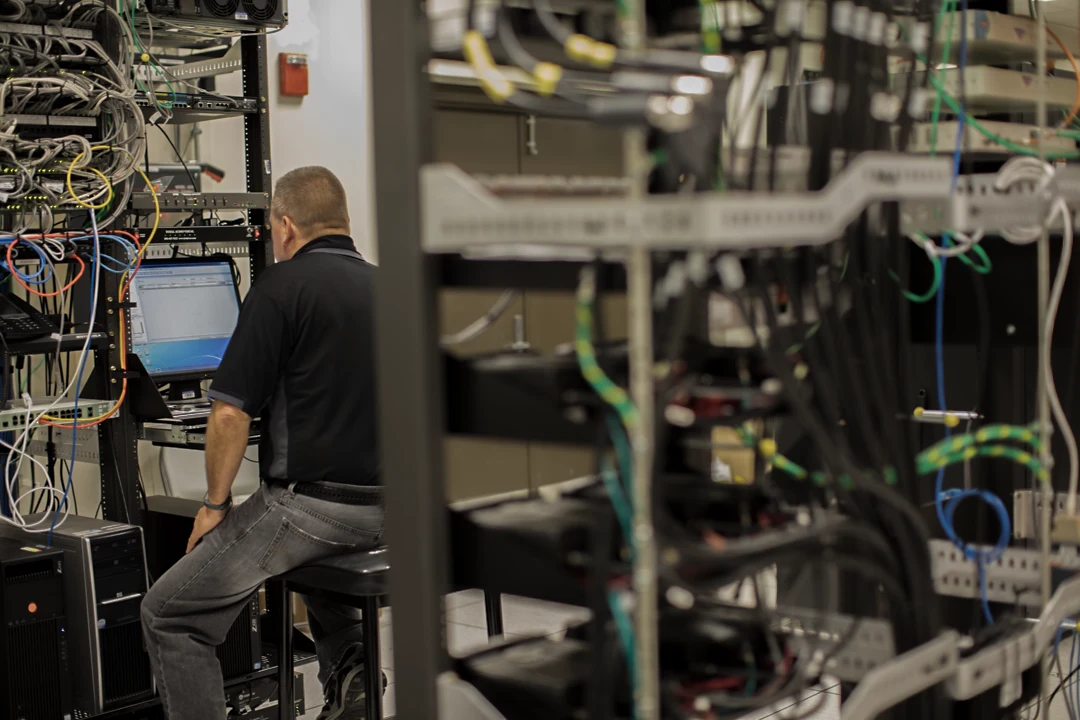 03 / Extended coverageThe project goes beyond the radio.
50+ two-way radios and repeaters
Warehouses, multiple buildings and large sites. Coverage planning and infrastructure sized to connect the operation's locations.
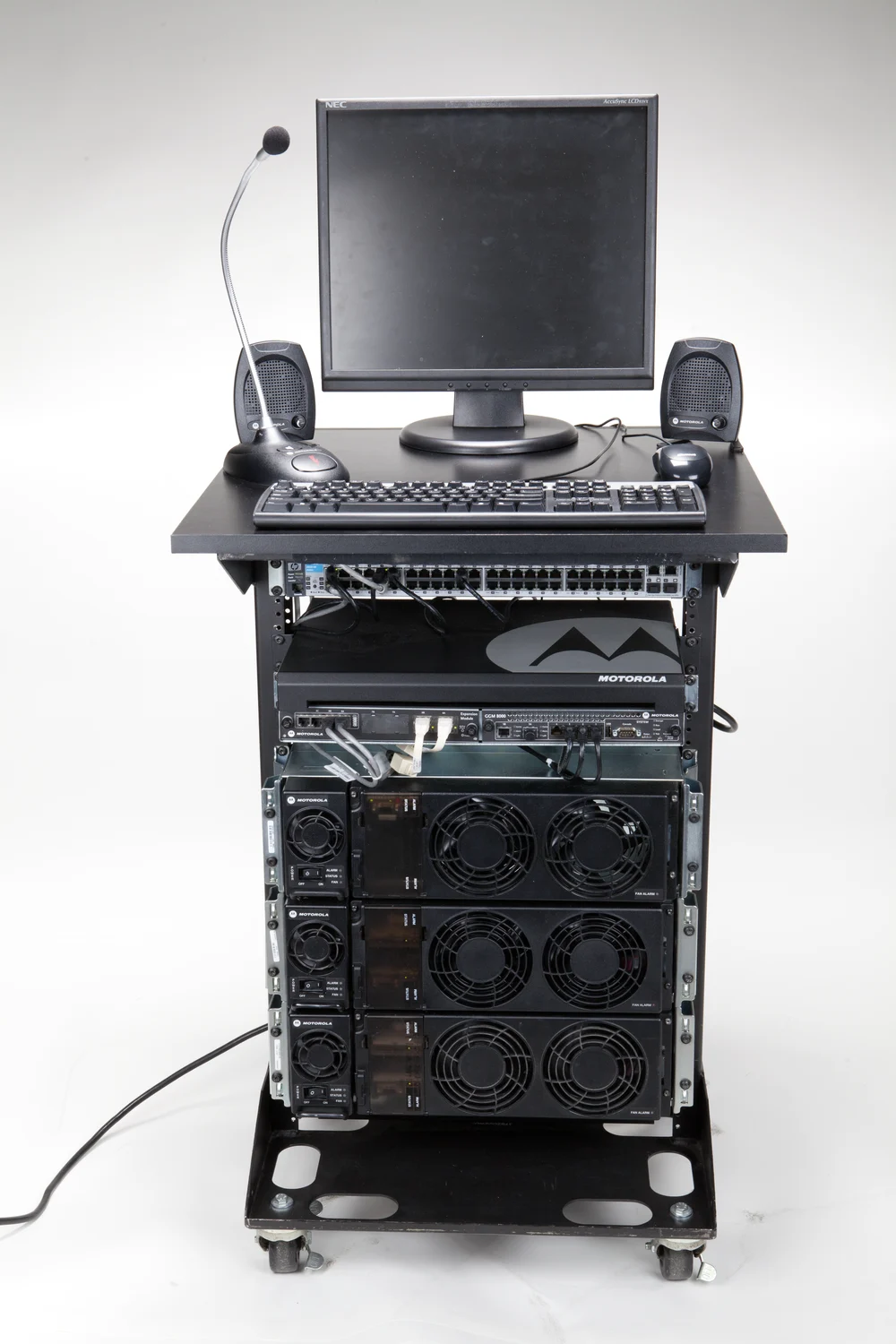
Discuss your project ↗These ranges help plan the operation; they do not describe a system's technical capacity. Equipment and accessories are defined in the quotation. Infrastructure photo: Motorola Solutions collection.
What is the challenge of your operation?
Tell us the location, team size and how long you need the radios.
What connection does your operation need?
From local conversation to coordination between units.
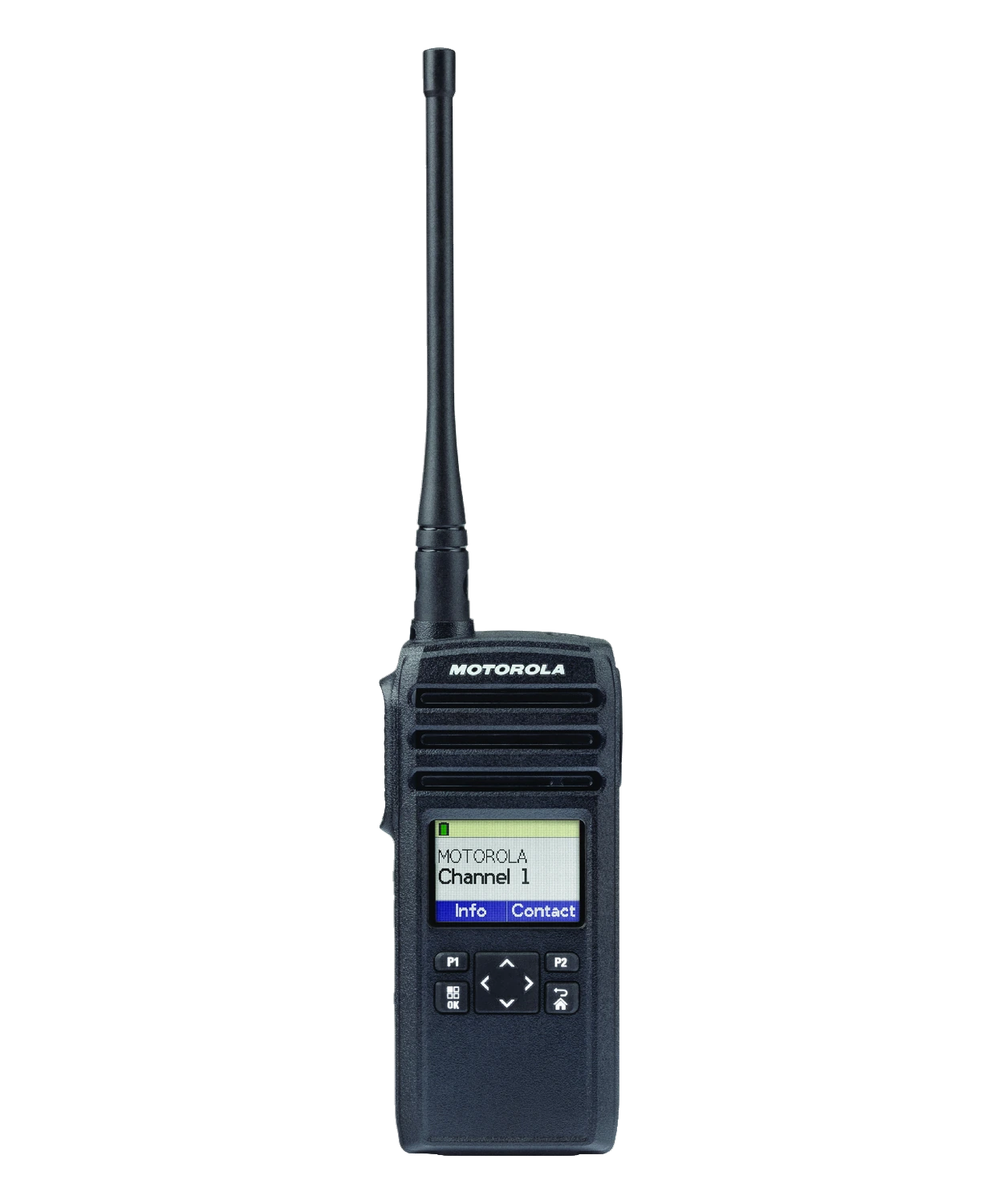
Local communication
Talk with the team without relying on cellular network. Coverage and regulatory compliance need to be assessed.
Learn about the DTR720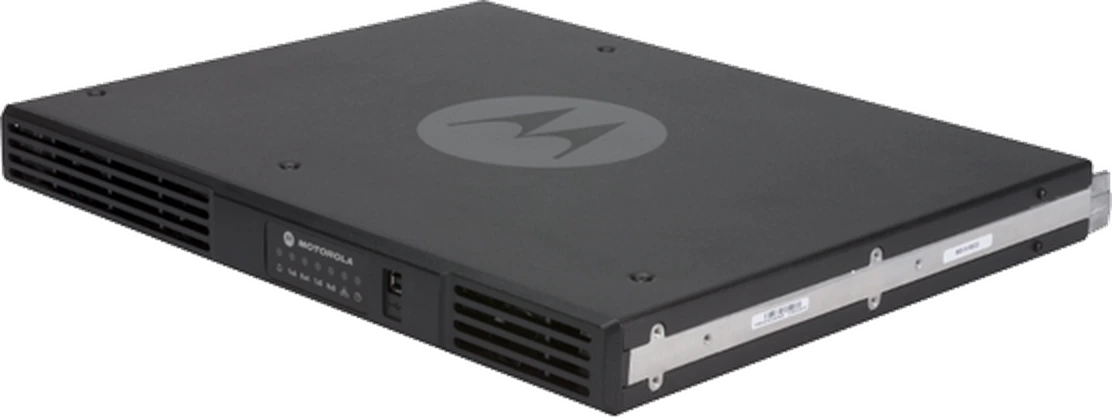
Extended coverage
Repeaters, antennas and installation planned to connect the areas of your operation.
Understanding repeaters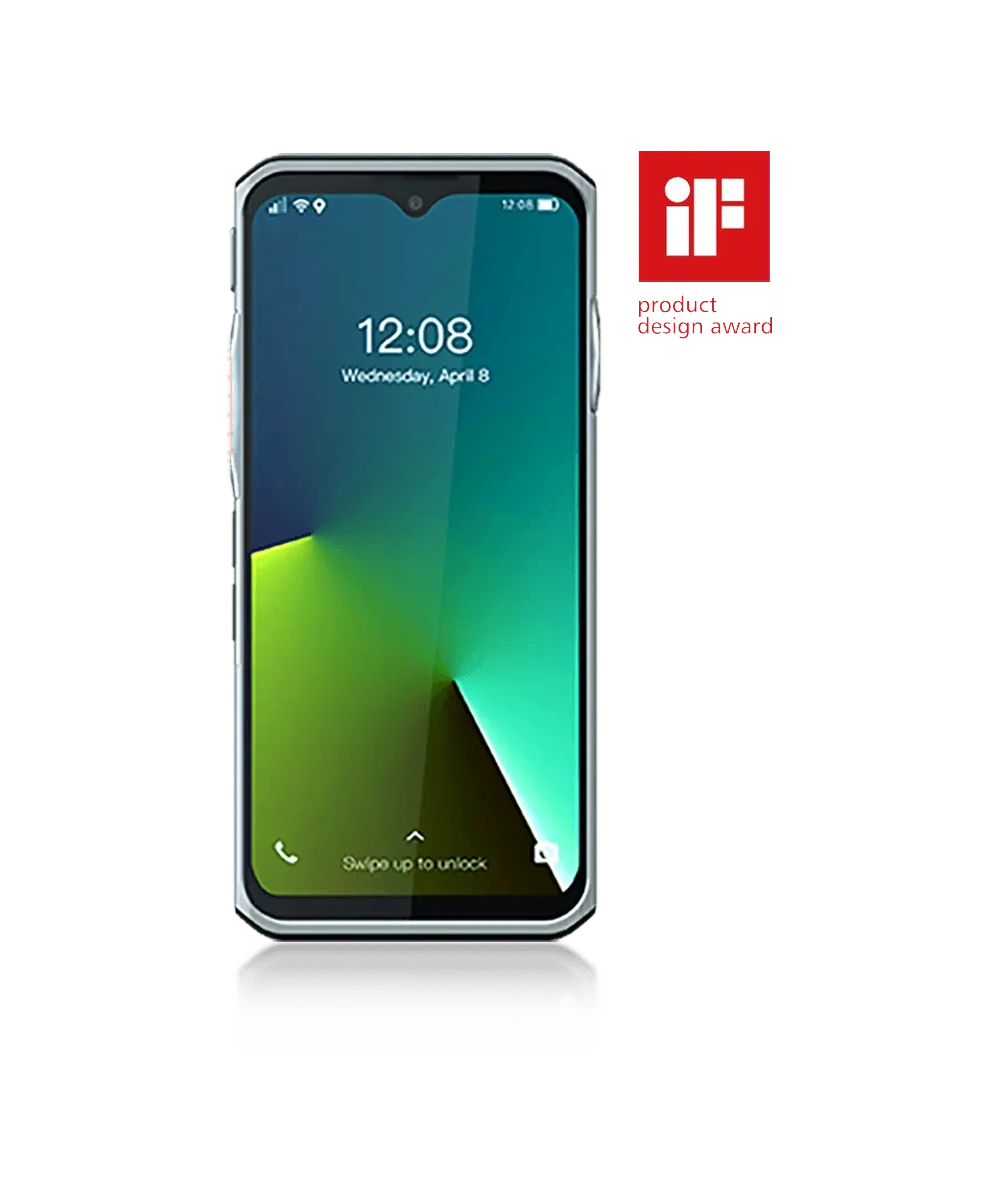
Teams at a distance
PTT over mobile network or Wi-Fi, with terminal, connectivity and compatible platform.
Learn about PoC solutions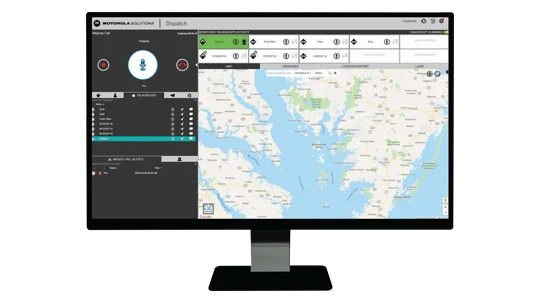
Coordination on screen
Dispatch, location and records according to the devices and licenses of the chosen system.
Explore the systemsRadio, PoC or cell phone?
The network makes a difference.
The PTT button already exists in all three. What changes is how your team connects, what communication depends on and how you manage usage.
Check for obstacles, usage area and need for repeater.
PoC extends operational area where adequate connectivity is available.
Radios and smartphones can work together when the system allows it.
Compare features and requirements Network, coverage, battery and costs of each option
Swipe the table to compare all three options.
| In your workday | 01 / Radio networkVHF / UHF radio | 02 / Data networkPoC radio | 03 / ApplicationCell phone with PTT |
|---|---|---|---|
| Talk to a group | PTT on a configured channel or group. | PTT on groups managed by the platform. | Also does group PTT with compatible application. |
| No internet at the location | Direct RF communication can work without internet, within radio coverage. | Needs cellular data or Wi-Fi connection. | PTT applications need data connection. |
| Between cities and units | Coverage limited to radio link. Longer distances may require infrastructure interconnection. | Uses data network coverage, not depending on direct radio range. | Follows operator or Wi-Fi coverage. |
| Basements and warehouses | Antennas, repeaters and field tests are part of the coverage project. | Need to validate cellular signal and/or Wi-Fi along the route. | Depends on available connection and internal network quality. |
| Photos, video and location | Voice and data features vary by model and system. Does not equal a smartphone. | Location and multimedia depend on terminal, platform and subscription. | Can combine PTT, photos and messages in the same application. |
| Routine in the field | Physical PTT and accessories for operational use. Resistance varies by model. | Dedicated PTT equipment, with accessory and protection options according to model. | Can use team devices; ergonomics and resistance need to be evaluated. |
| Battery and shift | Check battery, transmission cycle and possibility of exchange during the shift. | Check autonomy with data network, GPS and actually used functions. | PTT shares battery with screen, applications and other device uses. |
| Costs to consider | Equipment, programming, maintenance and required infrastructure. | Terminals, data and platform service, as per the solution. | Devices, data, PTT application and device management. |
| Connect with other systems | Integration depends on compatible interfaces, gateways and technologies. | Can integrate radios and other teams through a compatible solution. | Can participate in the same PTT network when the platform offers this integration. |
No range, battery life or compatibility applies universally. The final choice depends on on-site tests and the capabilities of the equipment and platform.
Sources and criteria for this comparison
Group communication, coverage and deployment: Motorola Solutions, professional radios. Applications and integration: WAVE PTX guide and WAVE PTT application. Cellular network, Wi-Fi and PoC services: Hytera, PoC communication. Autonomy and physical suitability must be checked in the chosen model's specification sheet.
Stay updated on radio communication news
Among the most-read articles on our blog
Código Q completo: 56 códigos, significados e exemplos
Read article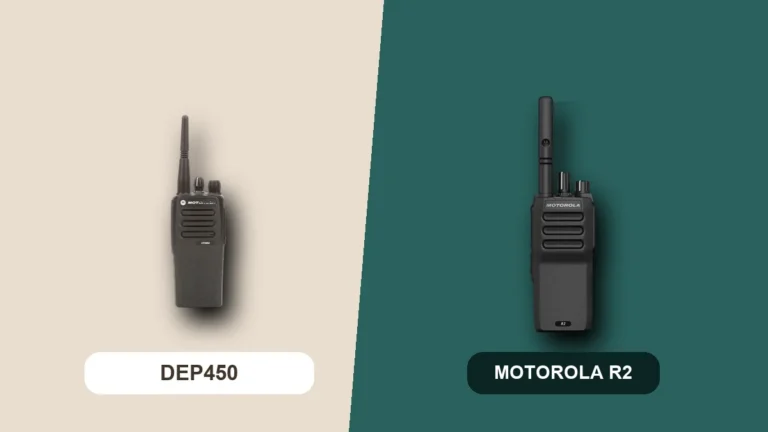
DEP450 or Motorola R2: a comparison for businesses
Read article
Motorola ou Hytera: como escolher rádio comunicador para a empresa
Read articleQAP code: meaning and radio use examples
Read article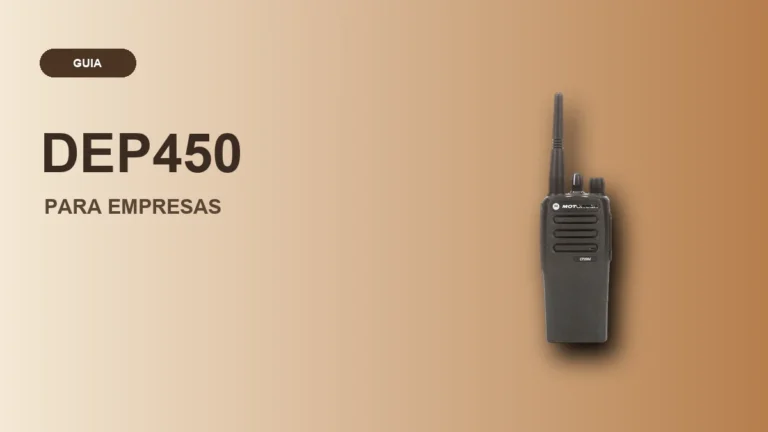
Motorola DEP450 two-way radio: a business guide
Read article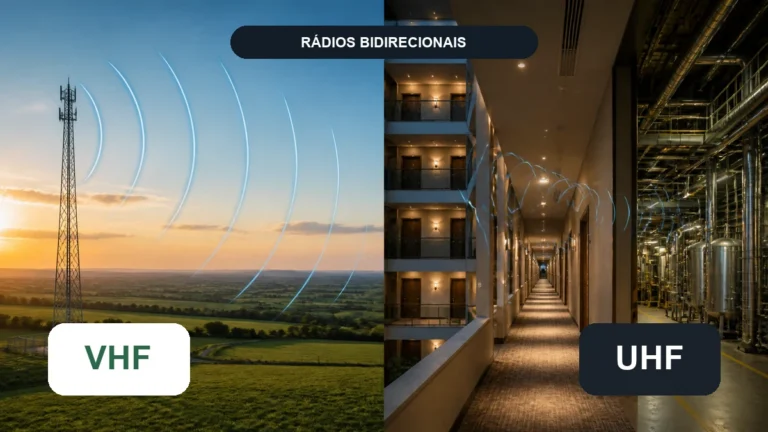
Two-way radios: VHF, UHF, analogue and digital
Read article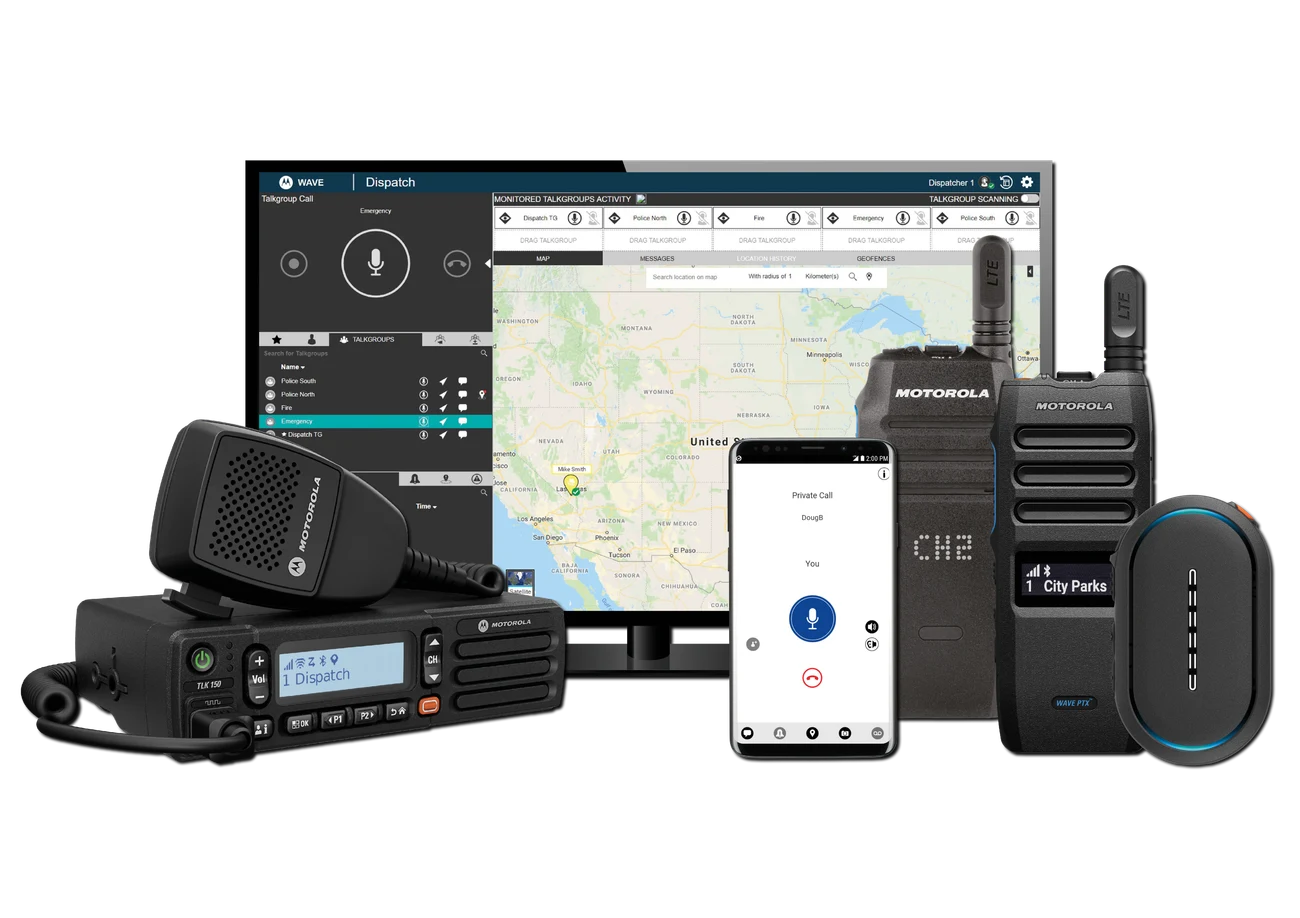
PoC radio: how it works and when to use it
Read article
Intrinsically safe radio: a certification guide
Read article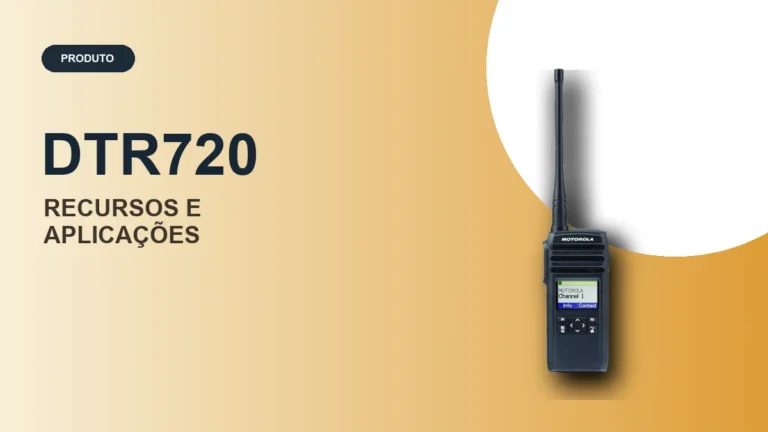
DTR720 handheld radio: features and business uses
Read articleBefore choosing your radio
Find guidance to choose a professional two-way radio. Our team can discuss your operation with you if you need help.
Discuss your rentalSee frequently asked questions15
What is the difference between digital and analog radio?
Analog transmits voice through a continuous signal; digital encodes it into data. In digital, error correction can reduce noise and keep voice clearer near the coverage limit. Features like identification, messaging and location depend on the model and system. Digital does not mean unlimited range.
Source: Motorola SolutionsDoes the digital radio talk to the analog radio?
Yes, if the digital model also offers analog mode and the channel is programmed in that mode. Both must operate on compatible frequencies and parameters. A purely analog radio does not decode a digital transmission. In the MOTOTRBO R2, for example, each conventional channel can be configured as analog or digital.
Source: Motorola R2 ManualCan the two-way radio work with a cell phone chip?
Compatible PoC radios can use a data SIM and a mobile network for PTT communication; some can also use Wi-Fi. They require coverage, a data service and the appropriate platform. Adding a SIM does not turn an ordinary VHF or UHF radio into a cellular device. The Hytera PNC360S is one example of a PoC radio.
Source: Hytera PNC360S Specification SheetDo I need an Anatel license?
It depends on the equipment, frequency band and use. Operations on licensed frequencies need the applicable authorization. Certain low-power devices may be exempt from a station licence if they meet Anatel's technical conditions. That does not remove the requirement for equipment certification. Check the regulatory classification before buying or programming a radio.
Source: AnatelWhat is the difference between VHF and UHF?
They are different radio frequency bands. In professional applications, VHF is usually considered for open areas; UHF is often used in buildings and urban environments. There is no single band better for all locations: terrain, obstacles, antenna, interference, and authorized frequencies influence the choice. Radios in different bands cannot communicate directly with each other.
Source: Motorola SolutionsCan I talk at 5 km distance?
It may be possible, but it is not a distance guaranteed solely by the radio model. Terrain, buildings, antenna height and installation conditions change coverage. Instead of promising kilometers, the ideal is to evaluate the route and test the location. A repeater can extend planned coverage; PoC can handle longer routes where there is data network.
Source: Motorola SolutionsCan I include an extra battery and accessories in the rental?
Tell us the usage time, number of people and environment. Additional batteries, headsets, cases and the need for repeaters may be considered in the proposal, according to the operation. The composition and conditions of the service are defined in the quotation.
What happens if I need support?
Contact our team with the model and the problem you observed. For rentals, support follows the conditions agreed in the proposal. For your own equipment, assistance begins with triage and technical assessment before you approve the service.
Do you sell or rent two-way radios?
Both. We sell and rent Motorola Solutions and Hytera two-way radios, as well as accessories such as batteries, headsets, belt clips, bases and antennas.
Do I need an Anatel license to use a rented radio?
Rental includes licensed-frequency use for the contracted equipment and operation; the customer does not need a separate license for that use.
If I buy the radios, do I need an Anatel license?
Not every two-way radio requires an Anatel license. It depends on the equipment and how it is used, and we advise on your case during the quote.
Do you provide technical service for radios?
Yes. We offer specialized technical service, including preventive maintenance, corrective repair and programming of radios and repeaters.
Which brands do you work with?
We are an authorized Motorola Solutions and Hytera reseller, offering portable radios, mobile radios, repeaters and accessories.
Where do you provide radio rental?
Rental covers the city of São Paulo and its metropolitan region, with daily, weekly or monthly plans.
How much does a radio or a rental cost?
Pricing is on request, since it depends on the model, quantity, rental period and accessories. Request a quote with no commitment.
Your connected operation, with nearby support
Tell us the location, team and routine. We help plan equipment, coverage and support.